Can You Train an Older Dog? An Honest Bengaluru Guide for Adopters and Long-Time Pet Parents
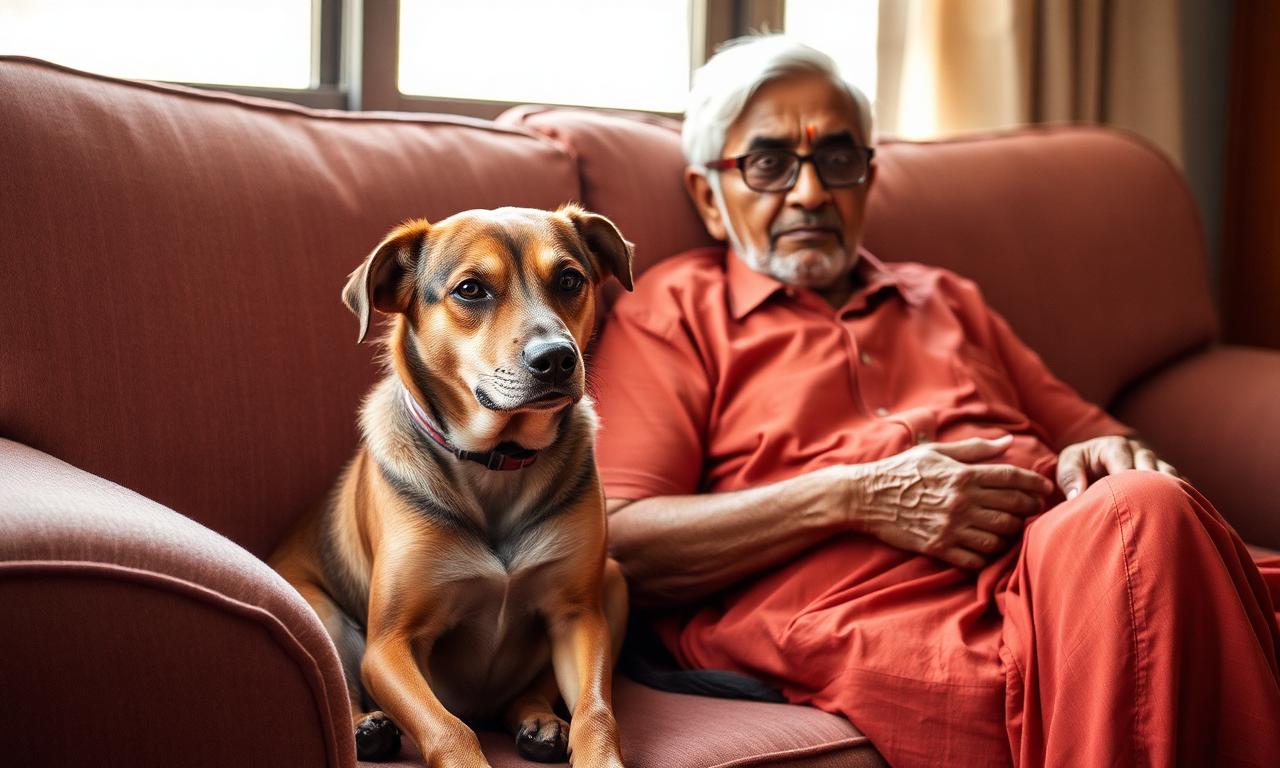
I get this question almost every week: "My dog is 7 years old, is it too late?" or "I just adopted a 9-year-old Indie, can he still learn?" The answer, every single time, is yes. After working with senior dogs from age 6 to 15 across Bengaluru, I can tell you confidently, older dogs are often easier to train than puppies. Here's the honest truth.
Why the "old dog, new tricks" myth needs to die. The phrase comes from 16th century farming proverbs, not science. Modern behavioural research is unambiguous: dogs continue to form new neural connections throughout life. Their learning style changes, but their capacity does not. A 10-year-old Lab can learn loose leash walking, recall, and even agility-style tricks if introduced gently.
Where older dogs actually beat puppies. Longer attention span (15-minute sessions vs 3-minute puppy sessions). Better impulse control. Less zoomies. More food-motivated (usually). Settled emotional baseline. Already understand house rules. Don't need socialisation crash courses. For most basic obedience work, a calm 5-year-old learns faster than a teething 5-month-old.
What actually changes with age. Physical: arthritic joints make sit and down uncomfortable, so reduce reps and add soft surfaces. Sensory: hearing and sight may decline, so train with hand signals alongside verbal cues. Energy: shorter, more frequent sessions work better than long ones. Trust: rescue seniors may need weeks to feel safe before they can learn anything new (see the 3-3-3 rule for rescue dogs).
Real story, pet parent of Bagheera, a 9-year-old adopted Indie in JP Nagar. The family adopted him from a local rescue, expecting to give him a peaceful retirement. Within two weeks they realised he had no leash training, severe handler anxiety, and pulled like a freight train. They almost gave up. I started with 5-minute daily sessions in their living room, building trust with food. Week 3 I added a flat collar and indoor leash work. Week 6 they were doing calm walks down the lane. Week 10 he was walking past delivery agents with a soft tail. He was 9 years old. He learnt faster than half the puppies I work with.
How to train a senior dog the right way. Sessions: 5 to 10 minutes, 2 to 3 times a day. Surfaces: soft mats for any down or sit-stay work. Rewards: high-value, soft, easy to chew (skip hard biscuits if dental issues exist). Cues: pair every verbal cue with a hand signal from day one, future-proofs against hearing loss. Expectations: accept that some skills will take 3 to 4 times longer than they would with a puppy, that's fine.
Senior dog training, do vs don't
Adjust the approach, not the ambition
- 5 to 10 minute sessions, 2 to 3 times a day
- Pair verbal cues with hand signals from day one
- Soft mats and surfaces for sit and down
- Vet check first for sudden behaviour change
- 30 minute drilling sessions
- Assume hearing will stay perfect forever
- Repetitive sits on hard tile
- Punish a senior who is in pain or confused
Special considerations for adopted senior dogs. They may have years of unknown history. Some have lived on the streets. Some have been with previous families who used punishment. Trust comes first, training second. Use the 3-3-3 rule, 3 days to decompress, 3 weeks to learn the routine, 3 months to feel at home. Don't start formal training in the first 2 weeks at all, let them just exist in their new home.
Common health-related behaviour shifts in older dogs. Sudden grumpiness can be pain (always vet-check first). House-soiling can be cognitive decline or bladder issues. New noise sensitivity can be hearing changes. Confusion at night can be canine cognitive dysfunction. These are not training problems, they're medical ones, and a good trainer will tell you to see your vet before behaviour work begins.
What you should not try with a senior. High-impact training: jumping, fast turns, long agility runs. Long endurance walks before fitness is built. Aversive collars (always wrong, especially with seniors). Forced socialisation, no "dog parks" or rough-and-tumble groups. Long stays in stand position, hard on hips and elbows.
When senior dog training is most worth it. Newly adopted seniors. Dogs with new behaviour issues that emerged in old age. Dogs whose families want to enrich the final years with cooperative care, low-impact tricks, and brain games. Dogs whose home situation is changing (new baby, new pet, moving house). Calm, structured training in old age can add real quality of life.
How I approach senior work. I slow everything down, work in the dog's home environment, integrate cooperative care (so vet visits and grooming get easier), and focus on quality of life over performance. Most older dogs I work with do my in-home training program in modified, lower-volume sessions across Jayanagar, Banashankari, JP Nagar and nearby South Bengaluru neighbourhoods.
Final word. Your older dog still wants to learn, still wants to connect with you, still has plenty to give. Age is not a closed door, it's just a slightly different doorway. Walk through it gently and you'll be amazed what's still possible.

About the Author
Govind
K9 Coach · 4+ years with dogs · Bengaluru
Founder of Paws of Persistence. Certified, reward-based dog trainer specialising in puppy training, Indie dogs and behaviour work across Bengaluru.
More about Govind →