The 3-3-3 Rule for Rescue Dogs: A Bengaluru Adopter's Honest Guide
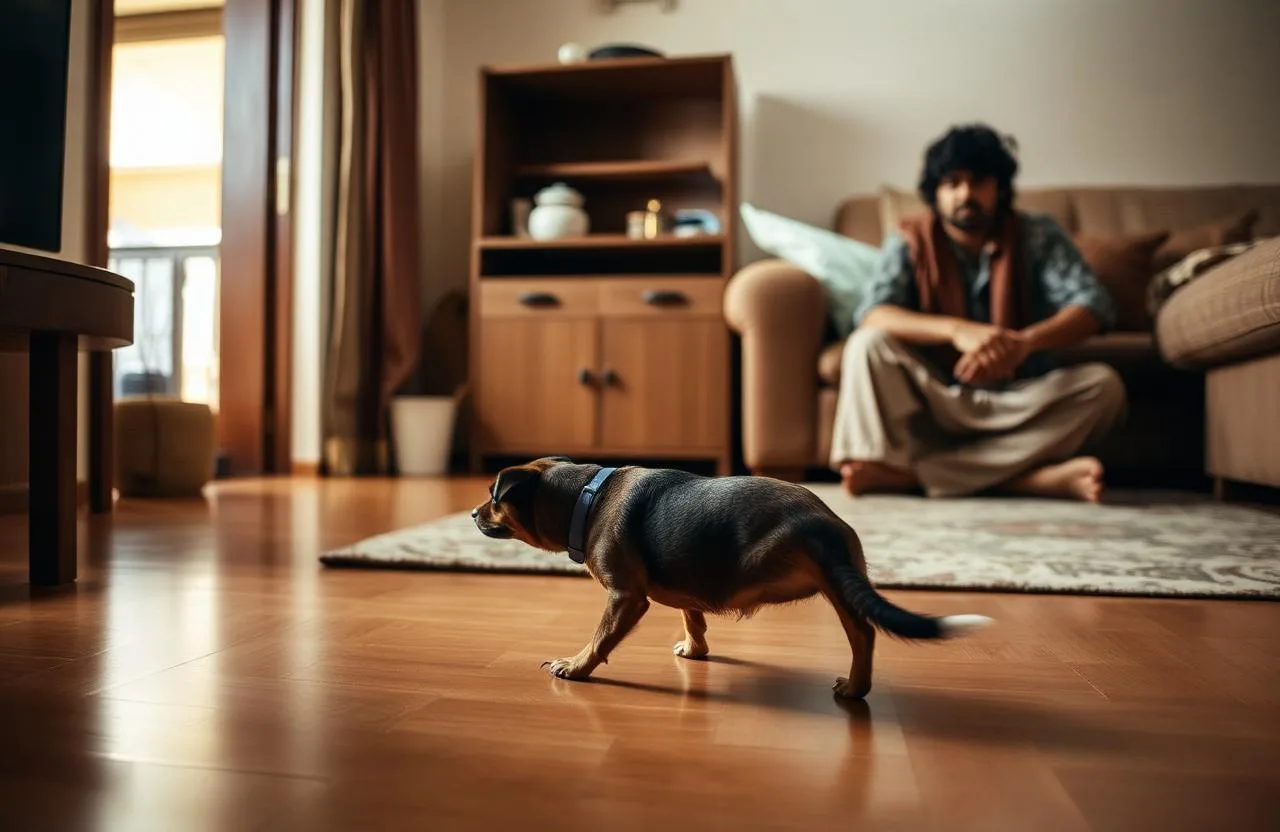
Almost every Bengaluru rescue family I work with calls me in week 2 saying "He hides under the bed, won't eat properly and growled at my husband, did I make a mistake?" My answer is always the same: read the 3-3-3 rule first, then call me back in a week. 9 times out of 10, things settle on their own.
What the 3-3-3 rule actually means. The first 3 days are pure decompression. Your dog has no idea where they are, who you are, or whether this is permanent. They might not eat, might sleep 18 hours a day, might hide, or might shadow you constantly. All of this is normal. The first 3 weeks are about learning the routine. Wake times, walk times, meal times, who lives in the house, what the doorbell means. The first 3 months are about real personality emerging and a genuine bond forming.
The 3-3-3 rule, week by week
What to expect in the first 3 months with a rescue dog
- 1
Day 1 to 3
Decompression: hiding, low appetite, watching everything
- 2
Week 1 to 3
Routine learning: settling into wake, walk and meal patterns
- 3
Month 1 to 3
Personality emerging, real bond forming, opinions surfacing
- 4
Month 4 to 6
Indies often need this extra window for full confidence
Why Bengaluru rescues often need a 3-3-6 timeline. Most dogs I help integrate are Indies adopted from CUPA, CARE, Charlie's Animal Rescue Centre, or directly off the street. Many have lived through harsh experiences: chasing vehicles, lack of food, harsh corrections from strangers, monsoon nights with no shelter. That kind of background takes longer to unlearn. I tell every Bengaluru adopter to plan for 6 months before judging your dog's "real" personality.
Day 1 to 3, the decompression mistake almost everyone makes. Inviting friends and family to meet the new dog. Bathing them immediately. Taking them out on long walks to "explore". All well-intentioned, all wrong. A new dog needs a quiet room, a comfortable bed, water, food on a schedule, and you nearby but not constantly engaging. Let them sleep. Let them watch. Let them choose to come to you. That's it.
Week 1 to 3, building the routine. Same wake time, same first walk slot, meals at the same hours. Indies in particular thrive on routine because predictability lowers their threat assessment. I also recommend a single primary handler for these 3 weeks, the dog needs one trusted human first, then can safely bond with the rest of the family. This is also when subtle training begins: name response, hand targeting, calm settling on a mat. Nothing pushy.
Real story, pet parent of Idli, a 1.5 year old Indie from Sarjapur. Adopted from a feeder colony in October. Week 1: hid behind the sofa, ate only at night when nobody watched, growled at the husband twice. Family panicked. I agreed to do nothing for 3 more days. Just food, water, quiet. Day 5: she came out and lay 2 metres from the wife. Day 12: ate breakfast with the family in the room. Day 30: tail wags at the door when the husband returned from office. Day 90: full member of the family, even joined them for a Cubbon Park walk. Nothing dramatic happened, the rule just worked.
Month 2 to 3, when problems appear. Many adopters tell me "the first month was great but now he's started barking at delivery agents and pulling on the leash." That's not regression, it's confidence. The dog finally feels safe enough to express opinions. This is the right moment to start structured training. Trying to train in week 1 or 2 is too early, the dog is still in survival mode. Around week 4 to 6 is the sweet spot.
Common mistakes I see Bengaluru adopters make. Forcing greetings with extended family in week 1. Taking the dog to crowded parks too soon. Comparing your new Indie to a friend's social Lab. Punishing fear-based behaviours like growling, growling is communication, not aggression. And expecting the dog to "be themselves" within 2 weeks. None of that is fair to the dog or you.
When to bring in professional help. If after 4 to 6 weeks of consistent routine your dog still won't eat, won't move from one spot, or shows escalating fear-based aggression, please don't wait. Reach out. I do gentle, in-home behaviour work designed for rescue Indies, see my indie dog training approach for how I adapt foundation work to street-rescued dogs. The earlier I shape the right associations, the easier the rest of life becomes.
How to support the bond actively. Hand-feed meals for the first 2 weeks. Sit on the floor with a book in the room they're in. Let them initiate every contact in the first month. Use a soft voice and slow movements. Teach name and "yes" marker before any other cue. These small things compound. By month 3 you'll feel like you've had this dog forever.
If you want a deeper dive into rescue Indie behaviour and trust-building, my complete Indie dog guide covers their psychology in detail, and the first-time puppy parent guide is useful even for adult adopters because the foundations overlap.
Final word. Adoption is not a 3 day decision, it's a 3 month investment of patience. The dog you bring home in week 1 is not the dog you'll have in month 4. Trust the process, follow the rule, and your rescue will reward you with a kind of loyalty no purchased dog can match. That's a Bengaluru promise.

About the Author
Govind
K9 Coach · 4+ years with dogs · Bengaluru
Founder of Paws of Persistence. Certified, reward-based dog trainer specialising in puppy training, Indie dogs and behaviour work across Bengaluru.
More about Govind →