20 Common Toxic Plants for Dogs in India You Need to Avoid
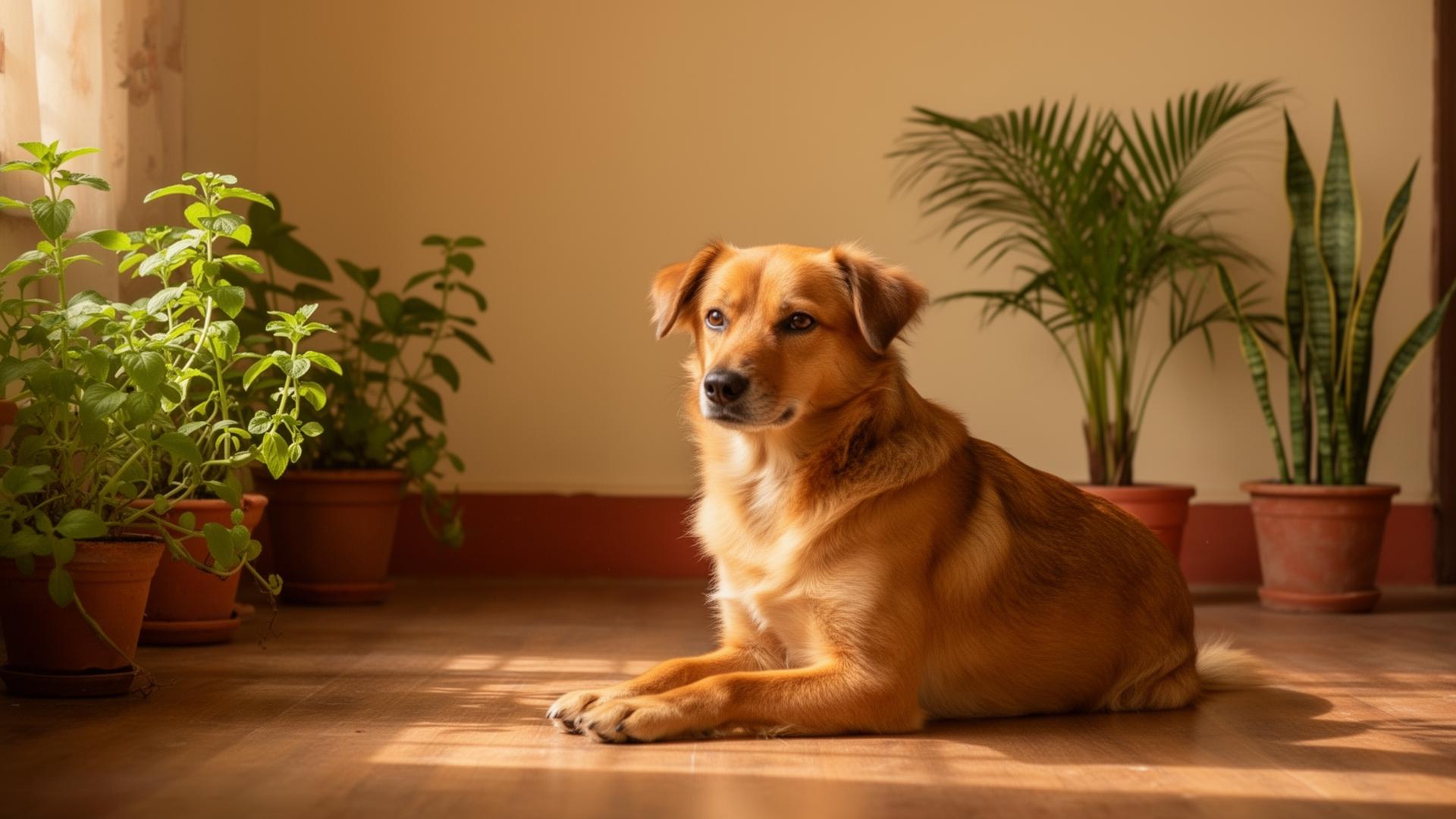
Most Bengaluru homes are full of plants, money plant on the balcony, tulsi by the window, areca palm in the corner. Beautiful, calming, and for many dogs, sometimes dangerous. This guide lists 20 of the most common toxic plants found in Indian homes and gardens, ranked by risk, so you know exactly what to move, what to swap, and what to relax about.
Why do dogs eat plants? Before the list, it helps to understand the why. Most plant-chewing is not random.
Boredom and under-stimulation. A dog left alone for hours with nothing to chew on will find the next best thing, which is often a leaf at nose height.
Nutrient seeking. Some dogs nibble grass or leaves when their gut feels off, in an attempt to settle their stomach or self-induce vomiting.
Taste and texture. Soft, juicy leaves and earthy soil are genuinely interesting to chew, especially for puppies who explore the world with their mouths.
Anxiety, pica and stress. Dogs with separation anxiety or chronic stress sometimes develop pica, the urge to eat non-food items including plants, mud and fabric.
Instinct. Grass grazing is normal canine behaviour. The problem is not the instinct, it is which plant they pick.
High-Risk Plants, treat as emergencies. Even small amounts can cause serious harm. Get these out of your dog's reach today.
Pet-safe swaps for common Bengaluru homes
Keep the green corner, lose the toxic risk
- Spider Plant, Boston Fern, Parlour Palm, Calathea, African Violet
- Hang Money Plant and Philodendron from the ceiling or high shelves
- Plain coco peat or stones as topping on indoor pots
- Save your emergency vet number and train a strong 'leave it'
- Sago Palm, Oleander, Datura, Castor Bean, True Lilies
- Floor pots of trailing vines at nose and paw height
- Cocoa mulch or freshly fertilised soil within reach
- Wait and see if symptoms pass on their own
1. Sago Palm (Cycas revoluta). Sold widely in Indian nurseries as an ornamental. Every part is toxic, the seeds are the worst. Causes vomiting, liver failure and can be fatal even with treatment.
2. Oleander (Kaner). A common roadside and garden shrub across South India. Contains cardiac glycosides that affect the heart. Even a few leaves can be life threatening.
3. Castor Bean (Arandi). The seeds contain ricin, one of the most toxic plant compounds known. Found wild on Bengaluru's outskirts and in some gardens.
4. True Lilies (Asiatic, Easter, Tiger, Day Lilies). Highly toxic, especially to cats, but dogs eating them can develop severe vomiting and kidney issues. Often gifted in bouquets, check before keeping them indoors.
5. Datura (Dhatura). Wild and ornamental. The whole plant is toxic, causing hallucinations, rapid heart rate and seizures. Common in temple gardens and roadsides.
Medium-to-High Risk, serious but rarely fatal in small amounts. Move these well out of reach.
6. Azalea and Rhododendron. Popular flowering plants in cooler Bengaluru gardens. Even a few leaves cause vomiting, drooling, weakness and heart issues.
7. Cycad Palms (other than Sago). Similar toxin profile to Sago, slightly less potent but still dangerous.
8. Dieffenbachia (Dumb Cane). Sold in almost every plant shop. Contains calcium oxalate crystals that cause intense mouth burning, drooling and swelling.
9. Caladium (Heart of Jesus). Beautiful coloured leaves, same oxalate toxin as Dieffenbachia, painful for dogs to chew.
10. Tulsi essential oil and concentrated extracts. The fresh tulsi plant in small amounts is usually fine, many Indian dogs nibble it. But tulsi essential oils, supplements and concentrated extracts can be toxic in dog-sized doses. Keep oils and diffusers out of reach.
Medium Risk, expect mouth irritation, drooling or stomach upset. Worth moving up or behind a barrier.
11. Money Plant (Pothos / Devil's Ivy). The most common houseplant in India. Causes mouth burning, drooling and vomiting when chewed. Rarely life threatening but very uncomfortable.
12. Philodendron. Same toxin family as Money Plant, same symptoms. Hanging baskets are safer than floor pots.
13. Snake Plant (Sansevieria). Causes nausea, vomiting and drooling. Low to moderate toxicity, mostly a problem if the dog chews a lot.
14. Peace Lily (not a true Lily). Mouth irritation, drooling and vomiting from oxalate crystals. Less dangerous than true Lilies but still unpleasant.
15. Aloe Vera. The gel is famously soothing for humans, but the latex layer just under the skin causes vomiting, diarrhoea and lethargy in dogs.
Low Risk, mild symptoms if eaten in small amounts. Worth knowing about, not worth panicking over.
16. Areca Palm. Generally considered pet safe, but heavy chewing can cause mild stomach upset. One of the better picks if you want greenery and a dog.
17. Hibiscus. Common Indian garden shrub. Most varieties cause only mild diarrhoea or vomiting if eaten in quantity. The Rose of Sharon variety is more toxic, so identify yours.
18. Jade Plant (Crassula). Popular as a 'lucky' plant. Can cause vomiting, lethargy and incoordination, but symptoms are usually mild and self limiting.
19. English Ivy. Mild GI upset and skin irritation if the dog rubs against or chews the leaves. Keep trailing vines out of paw reach.
20. Chrysanthemum. Festive favourite during weddings and pujas. Causes vomiting, drooling and skin irritation, usually mild.
8 tips to keep your dog safe around plants. The point is not to throw out every plant, it is to be intentional about which plants live where.
1. Elevate or hang the riskiest plants. Wall planters, ceiling hooks and tall shelves put Money Plant, Philodendron and Snake Plant out of nose range.
2. Swap the worst offenders for pet-safe alternatives. Spider plant, Boston fern, parlour palm, Calathea and African violet are all safer green-corner picks.
3. Watch the mulch and the soil. Cocoa mulch is toxic, and freshly fertilised soil can cause stomach upset. Use plain coco peat or stones around indoor pots.
4. Build enrichment so chewing has an outlet. A bored dog will chew something. Frozen Kongs, snuffle mats and chew toys redirect the instinct. My crate training guide covers safe enrichment for puppies.
5. Supervise outdoor sniffing. On walks, watch what your dog mouths near roadside Oleander, Datura and Castor Bean. A casual lick of an Oleander leaf is enough to need a vet visit.
6. Learn the warning signs. Drooling, vomiting, diarrhoea, tremors, weakness, pale gums or a swollen mouth after time near plants is an emergency. Do not wait it out.
7. Save your emergency vet's number in your phone. Bengaluru has several 24-hour clinics. Have the number, the address and the route saved before you ever need it.
8. Train a reliable 'leave it' cue. The single most useful safety cue a dog can learn. I teach it in every companion training programme because it works on plants, food, garbage and roadside hazards alike.
If your dog has just eaten any plant from the High-Risk list, treat it as an emergency, do not wait for symptoms. Call your vet, mention the plant name, and head in. For Medium and Low risk plants, ring your vet for advice and watch for symptoms over the next 12 hours.
If you would like a personalised home-safety walkthrough or help training a strong 'leave it' cue for your dog, talk to me NOW !! and I will put together a plan that fits your home and your dog.
Quick answers for pet parents
What are the most toxic plants for dogs in India?
The most dangerous plants commonly found in Indian homes and gardens are Sago Palm, Oleander (Kaner), Castor Bean (Arandi), true Lilies (Asiatic, Easter, Tiger) and Datura. Even small amounts of these can cause organ failure or be fatal, so treat any ingestion as an emergency and head to your vet immediately.
My dog ate a houseplant, what should I do?
Identify the plant by name or photo, note how much was eaten and when, and call your local emergency vet straight away. Do not try to induce vomiting at home unless your vet tells you to. For High-Risk plants like Sago Palm, Oleander or Lilies, go to the clinic without waiting for symptoms.
Which indoor plants are safe for dogs in India?
Spider Plant, Boston Fern, Parlour Palm, Calathea, African Violet and most Areca Palms are widely considered safe for dogs. They thrive in Bengaluru's light and humidity and let you keep a green corner without the worry. Always double-check the exact variety with your vet before bringing a new plant home.

About the Author
Govind
K9 Coach · 4+ years with dogs · Bengaluru
Founder of Paws of Persistence. Certified, reward-based dog trainer specialising in puppy training, Indie dogs and behaviour work across Bengaluru.
More about Govind →