How to Stop Puppy Biting in Bengaluru: A Practical Guide
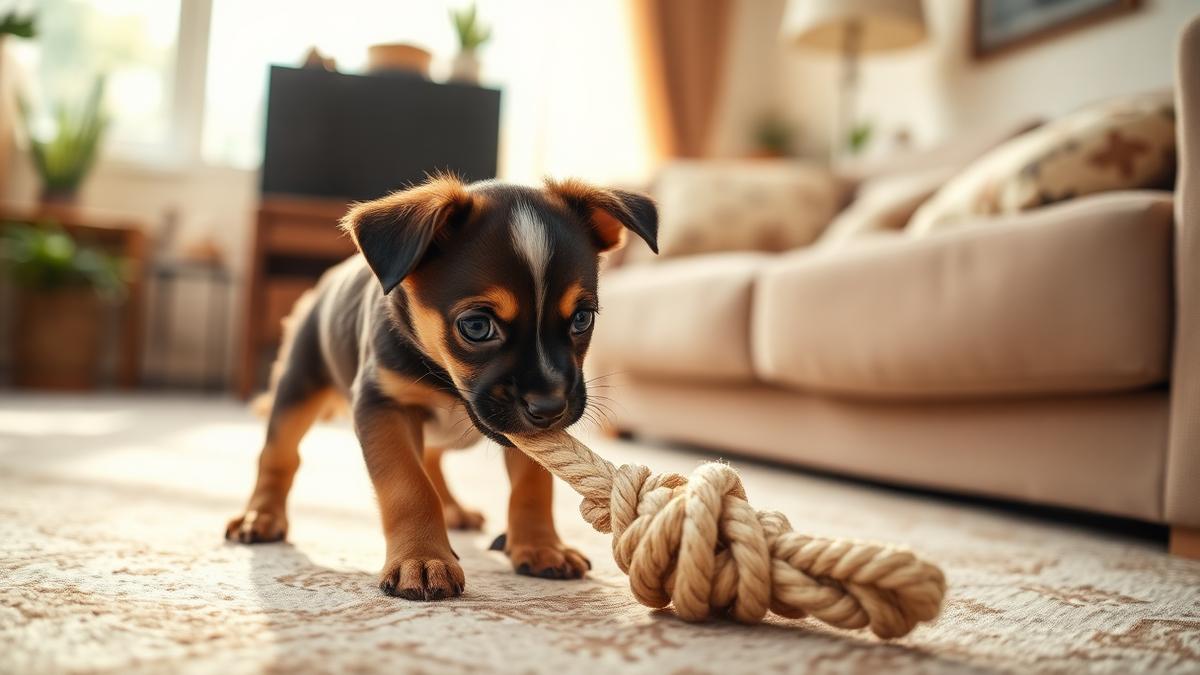
If your new puppy turns your hands into chew toys, you are not alone. Almost every Bengaluru puppy parent messages me within the first week asking the same thing, how do I stop this biting? The good news is that puppy biting is normal, and with the right plan it fades quickly.
Why do puppies bite so much? Puppies explore the world through their mouths. Between 8 and 16 weeks their jaws are developing, their baby teeth are sharp, and their impulse control is almost zero. Biting is how they learn what is soft, what is hard, and what gets a reaction from you.
The first mistake most pet parents make is using their hands as toys. Wiggling fingers on the floor feels cute at 6 weeks, but by 10 weeks those needle teeth hurt. From day one, hands are for petting and feeding, not wrestling.
The second mistake is punishment. Smacking a puppy, holding their mouth shut, or spraying water teaches fear, not manners. It can make biting worse because the puppy becomes anxious or overstimulated. I only use reward-based methods, redirect, reward calm, and remove attention when biting gets too hard.
Puppy biting: what helps and what backfires
Swap these common reactions for calmer, reward-based choices
- Redirect to a tug toy or chew the moment teeth touch skin
- Use a short 'ouch' and pause, then offer the toy again
- Leave the room for 10 to 20 seconds if biting gets wild
- Reward gentle licks and soft treat-taking
- Hold the puppy's mouth shut or smack the nose
- Yell, chase, or make biting a wrestling game
- Keep interacting while your hands are being bitten
- Only react when the bite is hard; ignore the soft mouth
Step 1: Always have a toy ready. The second your puppy bites skin, swap your hand for a rope toy or rubber chew. Do this calmly and consistently. After a few days your puppy will start looking for the toy instead of your fingers.
Step 2: Yelp and pause. When the bite is hard, say 'ouch' in a high pitched voice and freeze for a few seconds. This mimics how puppies learn bite inhibition from their littermates. Then offer the toy again. If your puppy gets wild, calmly leave the room for 10 to 20 seconds.
Step 3: Reward gentle mouths. When your puppy licks or takes a treat softly, mark it with a happy 'yes' and deliver the food. Soft mouths get good things, hard mouths end the fun.
Step 4: Meet the real need. Biting often spikes when a puppy is overtired, hungry, bored, or needs a potty break. In Bengaluru apartments, pent up energy builds fast. A short sniff walk, a puzzle feeder, or a quick training game often stops biting quicker than scolding.
Step 5: Enrol in a structured puppy foundation programme. A trainer watches your puppy in real time and gives you a personalised protocol for your home, your schedule, and your dog's temperament.
When should you worry? Most puppy biting is normal. If biting is paired with growling, stiffness, snapping, or happens after 6 months of age and is getting harder, it may be fear or frustration, not play. Get professional help early rather than waiting.
How long does it take to stop? With consistent redirection, most puppies show a much softer mouth within 2 to 3 weeks and nearly stop biting for attention by 4 to 5 months of age. The key is consistency across every person in the home.
Want one-to-one help? Talk to me NOW !! and I will build a personalised bite-inhibition plan for your Bengaluru puppy.

About the Author
Govind
K9 Coach · 4+ years with dogs · Bengaluru
Founder of Paws of Persistence. Certified, reward-based dog trainer specialising in puppy training, Indie dogs and behaviour work across Bengaluru.
More about Govind →