Puppy Socialisation Before Vaccinations: What Is Safe in Bengaluru
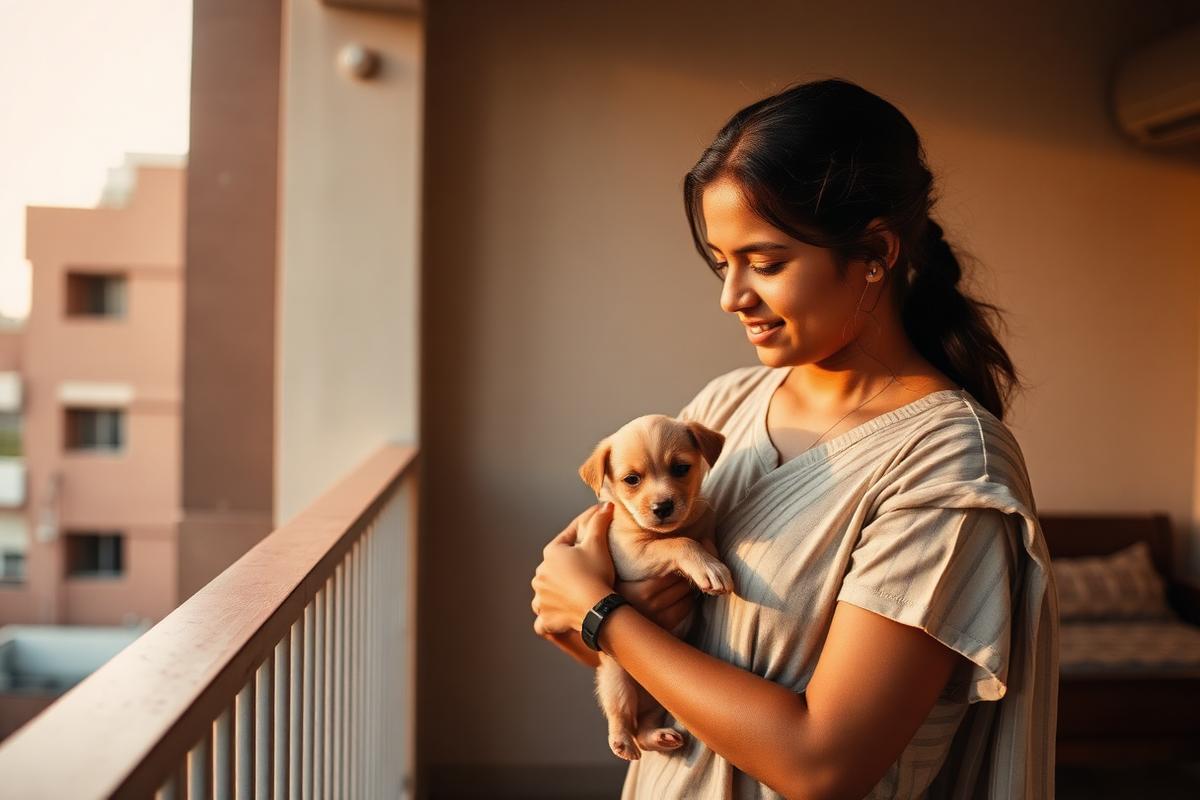
Almost every Bengaluru puppy parent hears the same advice from well-meaning neighbours, keep the puppy indoors until all vaccinations are done. The problem is that the most important learning window for a puppy, roughly 8 to 16 weeks, closes long before the last shot. Puppies kept in total isolation until 4 months often become the fearful, reactive adolescents I get called for later.
The safer answer is controlled socialisation. Your goal is exposure without exposure to risk. Your puppy needs to see, hear and feel the world, they do not need to lick a street corner to do that.
What is genuinely risky? Areas where unknown, unvaccinated dogs toilet, shared park lawns, wet garbage points, and puppy contact with sick dogs. Bengaluru's monsoon months make damp common areas an easy place to pick up infections.
What is safe and useful? Carrying your puppy through your apartment complex, sitting near the gate to watch autos and delivery riders, your own clean balcony, and controlled home visits from calm dogs whose vaccination status you know.
Socialising before full vaccination
Safe exposure versus avoidable risk in a Bengaluru apartment
- Carry your puppy outdoors to watch traffic and people
- Invite one calm, fully vaccinated dog into your home
- Pair new sounds with treats at low volume
- End every outing while your puppy is still relaxed
- Let your puppy walk and sniff at shared garbage points
- Take your puppy to a busy park for group play
- Flood your puppy with crackers or crowds to 'get them used to it'
- Push on when your puppy freezes or refuses food
Week by week, keep it small. Two or three new experiences a day is plenty. A puppy that watches a milk delivery from your arms, sniffs a new mat, and hears a pressure cooker while chewing something tasty has had a full, productive day.
Sound matters more than people realise here. Crackers during festivals, temple bells, horns, construction, and lifts are the everyday sounds of a Bengaluru dog's life. Introducing them softly now is far cheaper than treating noise phobia at 2 years old.
Watch your puppy, not the checklist. Loose body, curious sniffing, willingness to eat and shake off means they are coping. Tucked tail, freezing, refusing food, or trying to climb into you means the exposure was too much. Increase distance and try again another day.
Talk to your vet about the schedule. Most Bengaluru vets follow a core series starting at 6 to 8 weeks with boosters every 3 to 4 weeks until about 16 weeks, plus rabies. Your vet knows the local disease picture in your area, so let them set the medical timeline while you handle the behavioural one.
After the final shot, do not stop. Adolescence brings a second wobble in confidence, and dogs who stop meeting the world at 4 months often regress. Keep the same gentle, reward-based exposure going through the first year.
If you want a week-by-week plan built around your flat, your street and your puppy's temperament, my puppy foundation programme covers exactly this, and pairs well with my 10-10-10 socialisation rule.
Not sure what is safe on your street? Talk to me NOW !! and I will map a safe socialisation plan for your neighbourhood.

About the Author
Govind
K9 Coach · 4+ years with dogs · Bengaluru
Founder of Paws of Persistence. Certified, reward-based dog trainer specialising in puppy training, Indie dogs and behaviour work across Bengaluru.
More about Govind →