Can a Professional Trainer Fix Your Reactive Dog? An Honest Bengaluru Guide
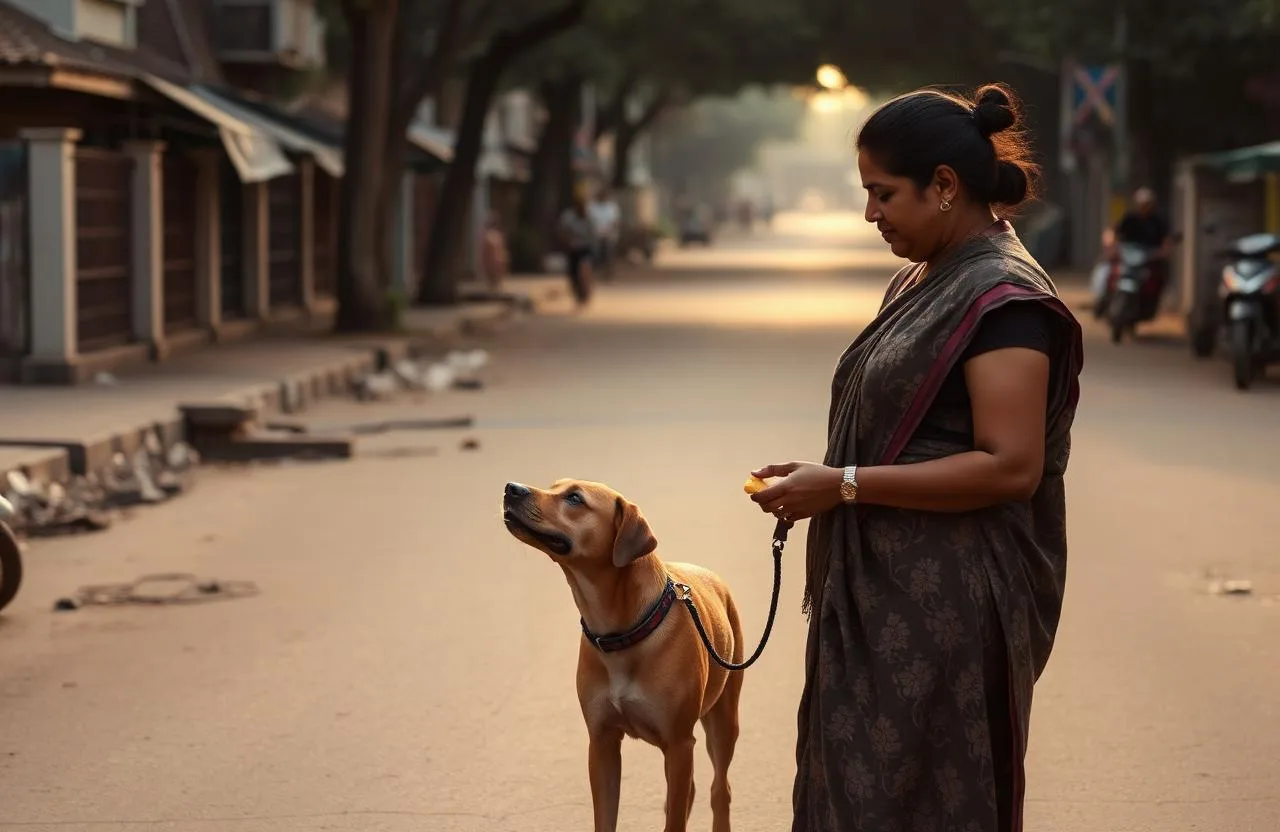
"Can you fix him?" is the first question I get from almost every family with a reactive dog. By reactive, I mean a dog who lunges, barks or pulls aggressively at other dogs, people, vehicles or specific triggers. The honest answer is layered: yes, I can dramatically improve almost every reactive dog, no, I cannot promise a complete personality reset, and the family's role is just as important as the trainer's.
What reactivity actually is. Reactivity is not aggression in most cases. It's an over-the-top emotional response, usually rooted in fear, frustration, or under-socialisation during the puppy window. The lunging Indie at the gate is often more scared than aggressive. The Labrador who pulls toward every dog is often frustrated, not hostile. Understanding the root cause is the first job of any good trainer, and the only foundation for a real plan.
Why "fix" is the wrong word. Behaviour modification is not surgery. I'm rewiring emotional responses through hundreds of careful repetitions. I can shift a dog from "lunges at every passing dog at 5 metres" to "glances calmly at most dogs from 2 metres," but the underlying sensitivity often stays for life. The goal is functional improvement and a dog who can navigate the city safely, not a personality transplant.
Realistic timelines by severity. Mild reactivity (lunges at unknown dogs, calms within seconds): 6 to 8 weeks of dedicated work usually shows clear improvement. Moderate (lunges, barks, takes a minute to recover, won't take treats during the moment): 3 to 4 months. Severe (bite history, redirected aggression, can't recover for 10 plus minutes): 6 to 12 months minimum, often with lifelong management. Anyone promising 4-week fixes for severe reactivity is selling false hope.
Realistic reactivity progress
Honest milestones from in-home behaviour work
- 1
Week 1 to 2
Triggers identified, management routes set, no rehearsals
- 2
Week 3 to 6
Dog turns to handler at distance, threshold shrinks
- 3
Week 7 to 12
Closer passes, faster recovery, less tension
- 4
Week 13 to 24
Functional walks, predictable handling, lifelong management plan in place
What a real reactivity protocol looks like. Step 1: identify triggers and thresholds (the distance at which your dog notices but doesn't react). Step 2: management to prevent rehearsals (no walks during peak times, no off-leash, calm routes only). Step 3: build alternative behaviours (look at me, U-turn, calm sits). Step 4: gradual exposure at sub-threshold distances paired with food. Step 5: slowly close the distance over weeks. Step 6: generalise to multiple environments. None of this is dramatic. All of it is patient, repetitive and consistent.
Real story, pet parent of Rocky, a 3 year old rescue Indie in Whitefield. Rocky barked, lunged and snapped at every dog within 20 metres for 2 years. I did 14 sessions over 4 months. Week 1, walks were at 5am to avoid all dogs. Week 4, Rocky could see a dog at 30 metres and look back at his human. Week 8, he could pass another dog on the same footpath at 5 metres. Week 16, he was joining quiet weekend walks at Cubbon Park during off-peak hours. He still does not enjoy meeting dogs. He probably never will. But he can now live a normal life in a normal city. That's success.
What can sabotage reactivity training. Trying to socialise a reactive dog by dragging them to dog parks, trying to "correct" the lunging with leash jerks or shouting, switching trainers every month, going off-plan because of progress in week 2, and the biggest one: resuming "normal" walks too early. Reactivity training requires that the dog does not rehearse the unwanted behaviour during the protocol period. One bad encounter can undo weeks of work.
When tools like prong collars and e-collars come up. They will. Some trainers in Bengaluru still recommend them for reactivity. Modern behavioural science is clear: aversive tools can suppress the visible behaviour while leaving the underlying fear or arousal intact, often making the dog more dangerous, not less. I don't use them and I never will. My positive reinforcement guide explains the science in detail.
When you need more than just a trainer. If your dog has bitten, has redirected onto a family member, or shows zero ability to recover from a trigger even at long distances, you need a vet behaviourist alongside a trainer. Some severe cases benefit from anti-anxiety medication during the training period. There's no shame in this. It's the same as physiotherapy alongside a knee surgery, both pieces are needed.
Bengaluru-specific reactivity factors. Free-roaming community dogs at every corner. Cycle-rickshaws and helmet-clad delivery agents. Apartment lifts that compress dog-dog encounters into 1.5 sq metres. Festival cracker noise during October and November. All of these can trigger or worsen reactivity. I design programs around your exact area, walking routes and building layout.
What progress looks like, week by week. Week 2: dog turns to look at you when they see a trigger at long distance. Week 4: dog can pass a trigger at half the original threshold. Week 6: shorter recovery time, lower body tension. Week 10: occasional polite passes at close distance. Week 16: most walks feel "normal" with predictable triggers. Anything faster than this is rare and anything slower is also normal, depending on the dog's history.
How I work with reactive dogs at Paws of Persistence. I start with a 60 minute behaviour assessment, build a custom plan, and check in weekly. I never use force, I never promise unrealistic timelines, and I work directly with your vet if medication might help. This kind of patient, careful work pairs naturally with realistic training timelines so you know what to expect month by month.
Final word. Reactivity is one of the hardest things to live with as a dog parent. The constant scanning, the embarrassed apologies on walks, the avoidance of certain routes, all of it is exhausting. But almost every reactive dog can have a much better life with the right plan, the right trainer, and the right family commitment. "Fixed" is the wrong question. "Better" is absolutely possible. In most cases, dramatically so.

About the Author
Govind
K9 Coach · 4+ years with dogs · Bengaluru
Founder of Paws of Persistence. Certified, reward-based dog trainer specialising in puppy training, Indie dogs and behaviour work across Bengaluru.
More about Govind →