Why Positive Reinforcement Works Better Than Punishment
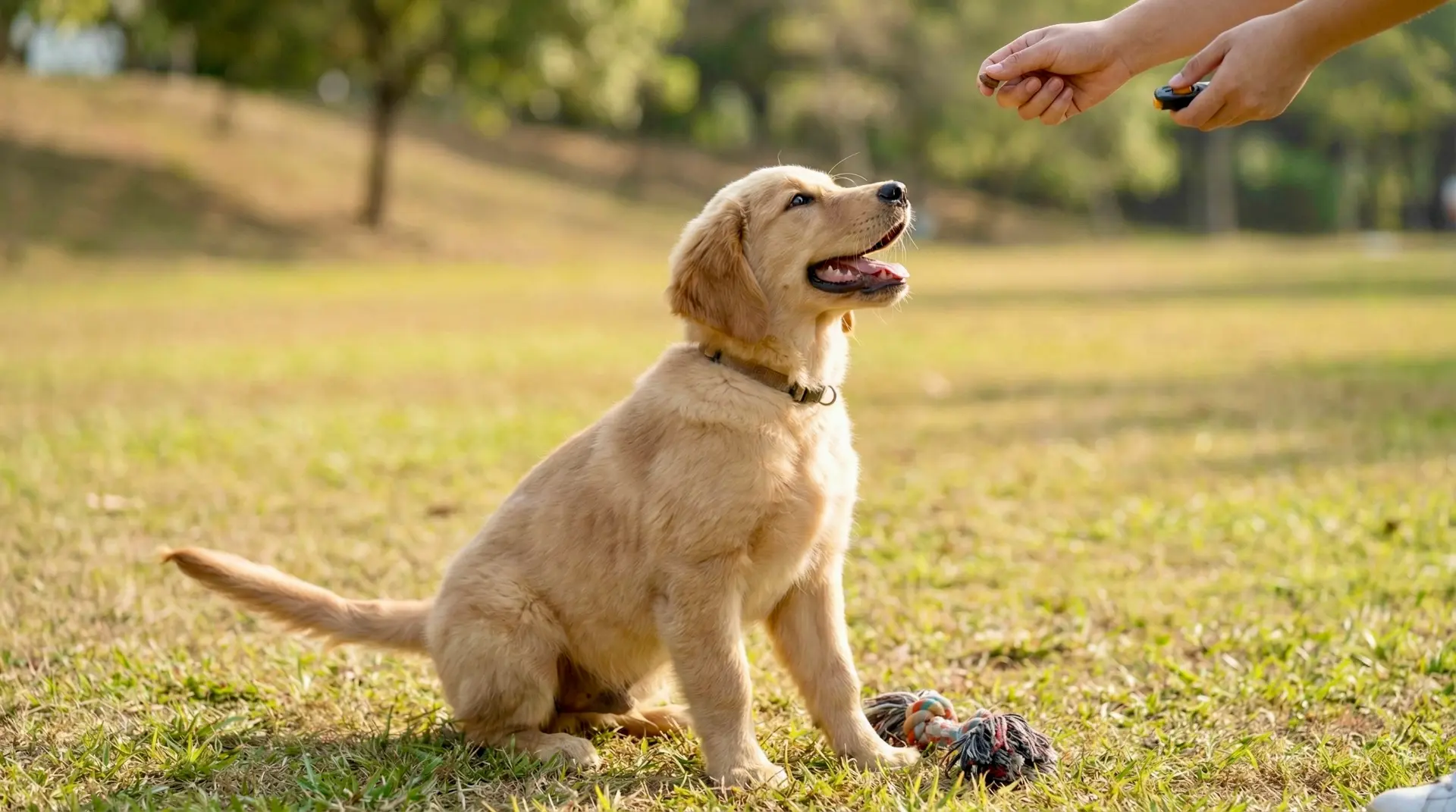
For decades, dog training relied heavily on dominance theory and aversive methods like leash corrections, alpha role's, and verbal punishment. But modern behavioural science has shown a better way: positive reinforcement.
Positive reinforcement means rewarding desirable behaviour so it's more likely to happen again. It's not about being permissive, it's about being strategic. When a dog sits on cue and receives a treat, they learn that sitting pays off. Simple, effective, and kind.
Reward-based vs punishment-based training
Two approaches, two very different outcomes for your dog
- Reward the behaviour you want, the moment it happens
- Use treats, praise and play your dog actually values
- Build trust so your dog looks to you for guidance
- Time markers (clicker or 'yes') within 1 to 2 seconds
- Scold or correct after the fact, when the dog cannot connect cause and effect
- Rely on leash pops, shouting or alpha rolls
- Build fear that suppresses behaviour but breaks trust
- Punish minutes later, when your dog has moved on
The Science Behind It, Studies from veterinary behaviourists and animal psychologists consistently show that dogs trained with rewards learn faster, retain behaviours longer, and show fewer signs of stress compared to dogs trained with punishment. A landmark 2004 study by Hiby et al. found that dogs trained with punishment were significantly more likely to display problematic behaviours like aggression and fearfulness.
Why Punishment Backfires, Punishment tells a dog what NOT to do, but it doesn't teach them what TO do. A dog that's scolded for jumping might stop jumping but could develop anxiety, avoidance, or even redirected aggression. Punishment also damages the trust between dog and handler, the very foundation of a strong training relationship.
Building Trust Through Rewards, When you consistently reward your dog for good choices, you build a relationship based on mutual trust and cooperation. Your dog learns to look to you for guidance, not out of fear, but because good things happen when they do. This creates a willing, enthusiastic learner.
Practical Tips for Positive Training, Use high-value treats for difficult behaviours and lower-value rewards for easy ones. Time your rewards within 1-2 seconds of the desired behaviour.Everyone in the household should use the same cues and reward the same behaviours. And remember, patience is not just a virtue in dog training, it's a necessity!!
At Paws of Persistence, every programme I offer is rooted in positive reinforcement. I believe that training should strengthen your bond, not strain it.

About the Author
Govind
K9 Coach · 4+ years with dogs · Bengaluru
Founder of Paws of Persistence. Certified, reward-based dog trainer specialising in puppy training, Indie dogs and behaviour work across Bengaluru.
More about Govind →