Can I Train My Dog Myself? DIY vs Professional vs Online Programs
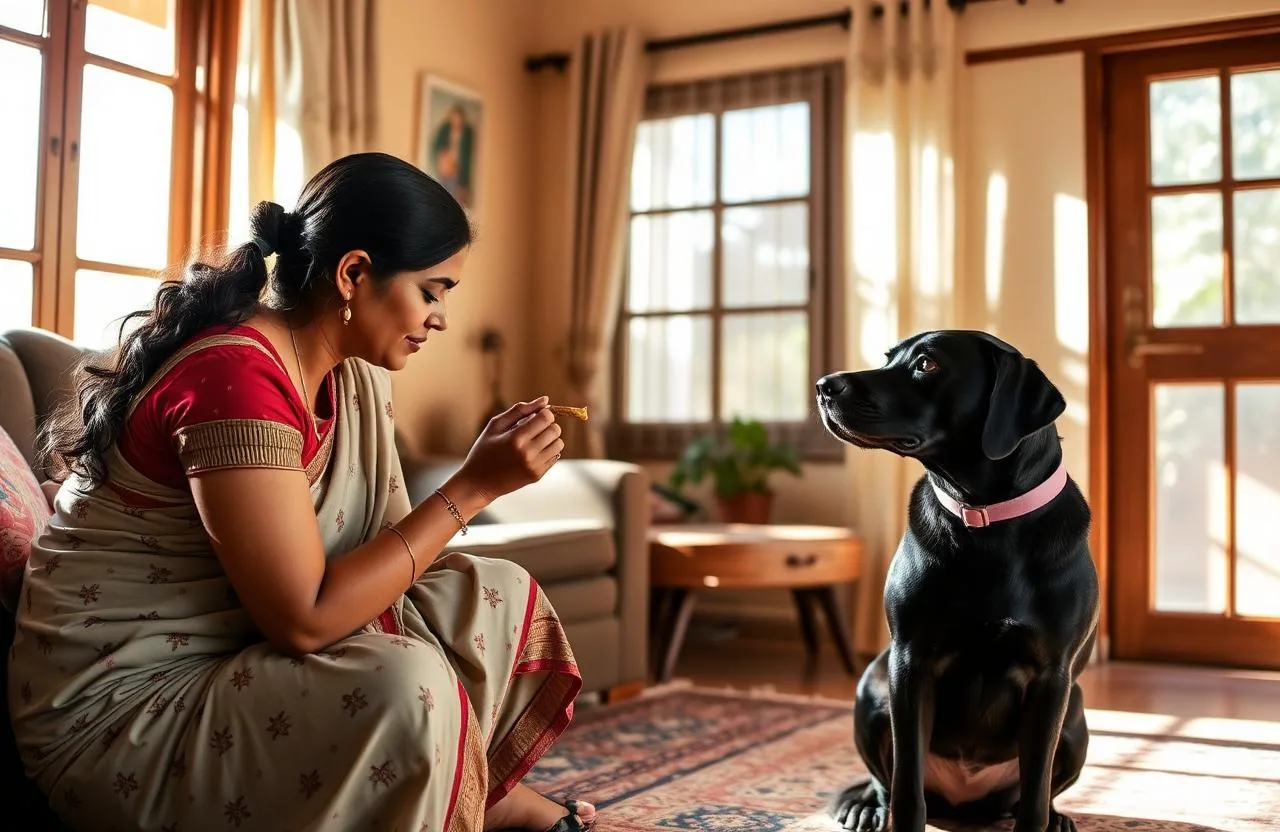
Short version: yes, you can absolutely train your own dog. Many people do, and they do it well. The longer version, which I share with every family on a discovery call, is that DIY works for some things and not for others, and the cost of guessing wrong with the wrong things is high. Here's how I think about it after coaching hundreds of dogs in Bengaluru.
What DIY genuinely works for. Foundation cues like sit, down, come and stay are absolutely doable from a good book or YouTube channel. Loose leash walking with a confident, non-reactive dog is doable. Crate training a stable puppy is doable. Trick training, mat work, basic handling for grooming, all DIY-friendly if you commit 10 to 15 focused minutes a day for 8 to 12 weeks.
DIY readiness check
Five honest questions before you commit to fully self-training
What DIY almost always fails at. Reactivity (lunging at dogs or strangers), resource guarding, separation anxiety, fear-based aggression, severe biting in puppies past 16 weeks, and any behaviour that has been rehearsed for months. These need a trained eye to read body language correctly, and they need a customised plan. The wrong approach makes them worse, sometimes permanently. I've cleaned up too many cases where well-intentioned owners followed generic YouTube advice for months and made the problem twice as hard to fix.
Online programs: where they fit. Online programs are a step up from random YouTube. They give structure, a curriculum, and often community support. But they cannot see your dog. They cannot tell you that your dog's lip lick at 7:43 was a stress signal you should respond to. For confident pet parents with confident dogs, an online program plus a single in-home consultation can be a great budget combination.
The hidden cost of pure DIY. People think they're saving money. Often they're not. Replaced shoes and furniture, vet bills from neck injuries due to wrong leash equipment, lost rental deposits from dogs who weren't house-trained properly, neighbour complaints, missed work to clean up accidents. I've added it up with families and they were genuinely shocked. The real principles of force-free training haven't changed, and I covered the why in my positive reinforcement guide.
A real DIY success story. Pet parent of Coco, a Cocker Spaniel in HSR Layout, did 100 percent of her puppy foundation herself. She read two solid books, joined a credible online community, and practised 15 minutes a day religiously. She called me only at 8 months for one consultation on a tiny issue with greetings. Coco is now one of the best-trained dogs I've met. The pet parent had three things going for her: time, the right mindset, and zero shame about asking for help when she hit a wall.
A real DIY disaster, lovingly told. Same neighbourhood, different family. Their Boxer pup was biting hard at 4 months. They watched YouTube, tried "alpha rolling" their dog (please never do this), and the biting got worse. By the time they called me at 9 months, the dog was actually fearful of hands. I rebuilt trust over 12 weeks. They told me later, "I wish Ie had called you in month two." Most DIY failures look like that, not catastrophe, just slow drift in the wrong direction.
How to know which camp you're in. Honest checklist: Do you have 15 minutes a day, 6 days a week? Do you finish books you start? Are you patient when something doesn't click immediately? Can you watch a video and identify what your dog is feeling, not just doing? Is your dog confident, social and physically healthy? If you're 5 for 5, DIY can work. If you're 3 or fewer, get help. There's no shame, it's just maths.
When a hybrid approach makes sense. This is what I recommend most often: do the basics yourself with good resources, and bring in a professional for one of three things, an initial assessment, a specific behaviour problem, or a check-in every 6 to 8 weeks to make sure you're on track. My in-home puppy training program is structured exactly this way for families who want a coach, not a hand-holder.
The Bengaluru-specific factor. Bengaluru is intense for dogs. Construction noise, fireworks during festivals, six different delivery apps a day, monsoon flooding, security guard whistles, the lift door dinging at all hours. Even confident dogs need help being calm in this sensory environment. If you're in HSR Layout, Sector 1 to 7, or anywhere with high-density apartment living, the bar for "socialised and confident" is genuinely higher than in a quieter city. Plan accordingly.
Final word. There's no moral high ground in DIY versus pro. Both can work. The dogs that thrive are the ones whose families honestly assessed what they could handle alone, and called for help on the rest. That's the only rule that matters.

About the Author
Govind
K9 Coach · 4+ years with dogs · Bengaluru
Founder of Paws of Persistence. Certified, reward-based dog trainer specialising in puppy training, Indie dogs and behaviour work across Bengaluru.
More about Govind →