What Happens After Dog Training Ends? Why the Trainer Trains the Human
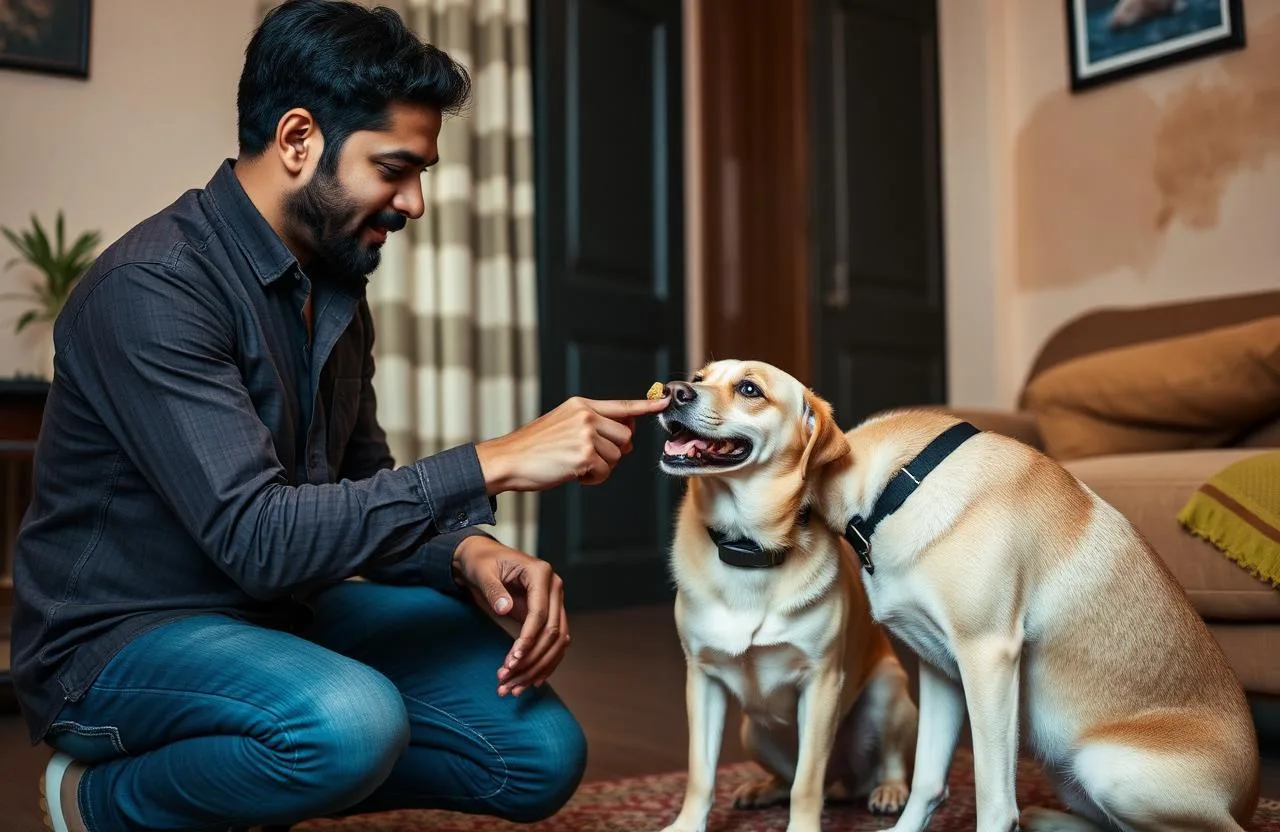
One of the questions I get most often near the end of a program is: "So what happens after this is over? Will he forget everything?" The short answer is no, your dog won't forget, but skills do fade without practice, just like your school French. The longer answer reveals a truth I tell every family at session one: I am not really training your dog. I'm training you.
Why trainers actually train humans. A dog learns a new cue in 5 to 20 repetitions. A human learns to use the cue consistently, with the right body language, timing, and reinforcement, in weeks or months. The bottleneck in dog training is almost never the dog. It's the human's habits, timing, patience, and ability to read body language. A good trainer focuses 70 percent of attention on coaching the family, not the dog.
What "training ends" actually means. There's no graduation day where your dog becomes "trained." There's a transition. After 6 to 12 weeks of structured weekly sessions, you reach a point where: the dog reliably responds at home, you can handle most everyday situations confidently, and the most-used cues are deeply ingrained. From here, it shifts from active learning to maintenance.
The 5-to-10 rule for maintenance. After active training ends, your dog needs about 5 to 10 minutes of practice, 3 to 5 days a week, to maintain skills for life. That's it. Not 30 minutes. Not daily. Just deliberate, short, fun practice woven into normal life. Practise sit before meals. Practise loose leash for the first 2 minutes of every walk. Practise settle on the mat during your evening tea. These are not extra activities, they're integration.
Maintenance after training ends
Why dogs sometimes "regress" after training. Three reasons, in order of frequency. First, the human stops practising and the dog gradually drifts. Second, life changes (new baby, return to office, joint family member moves in) disrupt the routine. Third, the dog enters adolescence (8 to 14 months) and tests every boundary. None of these are true regression, they're predictable challenges that brief tune-ups handle easily.
Real story, pet parent of Whiskey, a 1 year old Beagle in HSR Layout. Did a 10 week foundation program, beautiful results. 3 months later they emailed: "He's lost everything, sit doesn't work, leash pulling is back, what happened?" I went over for one tune-up session. Found the cause in 20 minutes: the family had stopped practising, were no longer rewarding good behaviour, and had switched from a flat collar back to a harness for some reason. I reset the basics in one session. Two weeks of 5-minute daily practice and Whiskey was back to his trained self. The dog hadn't forgotten. The humans had.
What good post-training maintenance looks like. Built-in moments: sit before food bowls go down, sit before the leash clips on, settle on the mat when guests arrive. Weekly: one slightly longer walk with deliberate practice on loose leash and a few recalls. Monthly: a fresh challenge, a new environment, a new distraction, just to keep skills generalised. Yearly: one or two tune-up sessions if life has changed.
When tune-up sessions are worth it. After a major life change (new baby, moving house, return to office). When you notice 3 or 4 small slip-ups in a week. When you're heading into a known stressful period (Diwali, monsoon, travel). One or two sessions can reset the whole picture. I offer them as standalone sessions for past clients, no full re-program needed.
Why the human side is harder. Because it requires you to change your behaviour, not just the dog's. To stop sneaking treats at the dinner table when guests think it's cute. To not let the dog jump on you when you come home tired. To enforce the calm-on-leash rule even when you're 3 minutes late for a meeting. The dog is a mirror of your daily consistency. That's why this work is so hard, and so worth it.
Common post-training mistakes. Going too soft too fast: "He's trained now, he doesn't need treats anymore." Wrong, intermittent reinforcement is what makes trained behaviours stick. Skipping practice for weeks then expecting perfect responses. Letting different family members use different cues. And the biggest one: assuming the dog is being naughty when actually the human stopped showing up.
The Bengaluru reality. Your routine will get disrupted. Auto strikes, monsoon flooding, sudden office calls, in-laws visiting, festivals, school exams for the kids. Your dog's training has to be resilient enough to survive these disruptions. I build that resilience by training in many short sessions across many contexts, not in long perfect ones. Real-life training works in real-life conditions.
How I set families up for post-training success. Every program at Paws of Persistence ends with a 30-minute graduation session: review of every cue, written maintenance plan, list of warning signs that mean it's time to call. I also include 90 days of WhatsApp support for any quick questions. The goal is to make myself slowly unnecessary, see how to know if your trainer is working for more on what good trainer behaviour looks like, and realistic training timelines for a deeper view on lifecycle.
If you want to learn the bigger picture of how a Bengaluru family chooses, hires and works with a trainer end to end, my in-home puppy training program page walks through the full journey including post-training support.
Final word. Dog training is not a project with an end date. It's a relationship that gets easier and richer the longer you invest in it. The best families I've worked with still text me a small win every few months, years after my formal program ended. That's not failure to be "done." That's a relationship that keeps growing. Embrace it.

About the Author
Govind
K9 Coach · 4+ years with dogs · Bengaluru
Founder of Paws of Persistence. Certified, reward-based dog trainer specialising in puppy training, Indie dogs and behaviour work across Bengaluru.
More about Govind →