Separation Anxiety in Dogs: Signs, Causes & How to Help
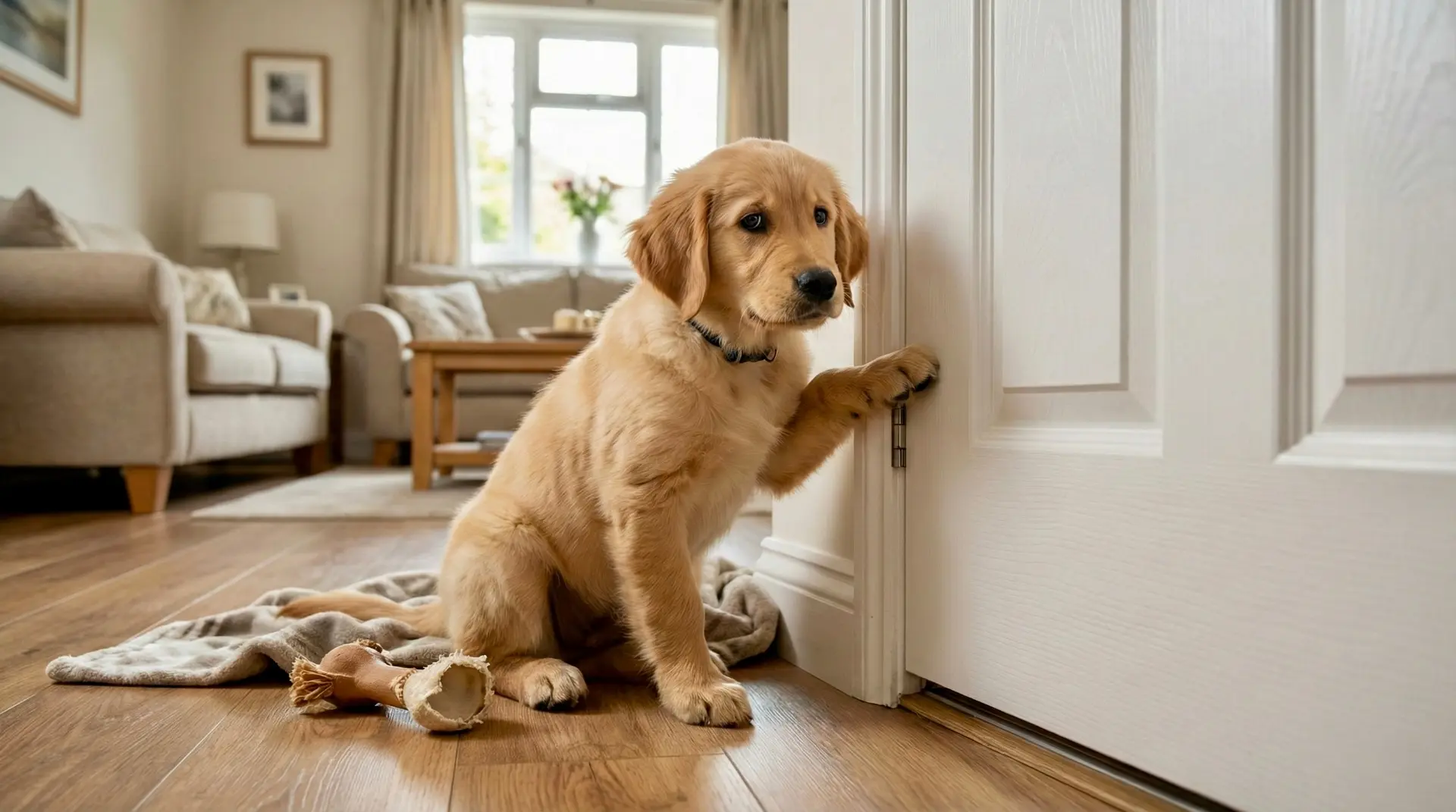
Separation anxiety is one of the most distressing behavioural issues in dogs, both for the dog experiencing it and the owner dealing with it. It's estimated that 20-40% of dogs referred to behavioural specialists suffer from some form of separation related distress. The good news is that with the right approach, most dogs can learn to feel safe when left alone.
What Is Separation Anxiety? Separation anxiety is a panic response triggered when a dog is left alone or separated from their primary attachment figure. It's not misbehaviour or spite, it's genuine fear. Dogs with separation anxiety are in a state of distress, and their destructive or vocal behaviour is a symptom of that anxiety, not a choice.
Recognising the Signs, Common signs of separation anxiety in dogs include excessive barking or howling when left alone, destructive behaviour focused on exits (scratching doors, chewing window frames), house soiling despite being housetrained, pacing, drooling, or panting, attempts to escape that can result in self-injury, and refusing to eat when alone. These behaviours typically begin within minutes of the owner leaving.
Why separation anxiety builds, and how to unwind it
A panic loop, not misbehaviour. Each stage tells you what to work on.
Trigger
Owner picks up keys, opens the door, leaves
Panic response
Barking, pacing, drooling, destruction near exits
Reinforcement
Owner returns, dog associates alone time with distress
Reset
Gradual desensitisation, calm departures, safe space
Common Causes in Separation anxiety can develop from several triggers, a change in routine (such as an owner returning to work after being home for an extended period), moving to a new home, the loss of a family member or another pet, a traumatic event that occurred while the dog was alone, or being adopted from a shelter after experiencing abandonment. Certain breeds and rescue dogs may be more predisposed to developing separation anxiety.
Treatment for Separation Anxiety is Gradual Desensitisation. The most effective treatment is systematic desensitisation, which means gradually increasing the amount of time your dog spends alone. Start with absences of just a few seconds like step outside the door and immediately return. Slowly build up to minutes, then hours, over weeks or months. The key is to never push your dog past their comfort threshold.
Creating a Safe Space is Give your dog a comfortable, safe area where they feel secure. This could be a crate (if they're crate-trained and find it comforting), a specific room, or a cosy corner with their bed and toys. Leave an item of your clothing that smells like you. Consider calming music or white noise to mask outside sounds that might increase anxiety.
What Not to Do: never punish a dog for separation anxiety behaviours. Punishment increases anxiety and makes the problem worse. Don't make departures and arrivals overly emotional, dramatic goodbyes and enthusiastic greetings reinforce the idea that being apart is a big deal. Instead, keep arrivals and departures calm and low-key.
When to Seek Professional Help? If your dog's separation anxiety is severe, if they're injuring themselves trying to escape, refusing all food, or showing signs of distress despite weeks of training and consult a certified dog behaviourist . In some cases, anti-anxiety medication prescribed by a vet can be used alongside behaviour modification to help your dog feel safe enough to learn.
Recovery from separation anxiety takes time, but it is achievable. With patience, a structured desensitisation plan, and professional support when needed, your dog can learn that being alone isn't something to fear.
Quick answers for pet parents
What are the signs of separation anxiety in dogs?
Persistent barking or howling within minutes of you leaving, destructive chewing focused on exits, indoor accidents in otherwise house-trained dogs, refusal to eat when alone, and excessive drooling or pacing. The pattern matters more than the behaviour itself.
How long does it take to fix separation anxiety?
Mild cases improve in 4 to 8 weeks with consistent gradual exposure. Moderate cases need 3 to 4 months. Severe cases can take 6 months or more, and often need help from a veterinary behaviourist alongside training.
Should I get a second dog to fix separation anxiety?
Usually no. Most dogs with separation anxiety are anxious about losing their person, not about being alone, so a second dog rarely helps and often gives you two anxious dogs instead of one. Address the underlying anxiety first.

About the Author
Govind
K9 Coach · 4+ years with dogs · Bengaluru
Founder of Paws of Persistence. Certified, reward-based dog trainer specialising in puppy training, Indie dogs and behaviour work across Bengaluru.
More about Govind →