Does Your Puppy Need Classes? Kindergarten vs Private vs Home Training
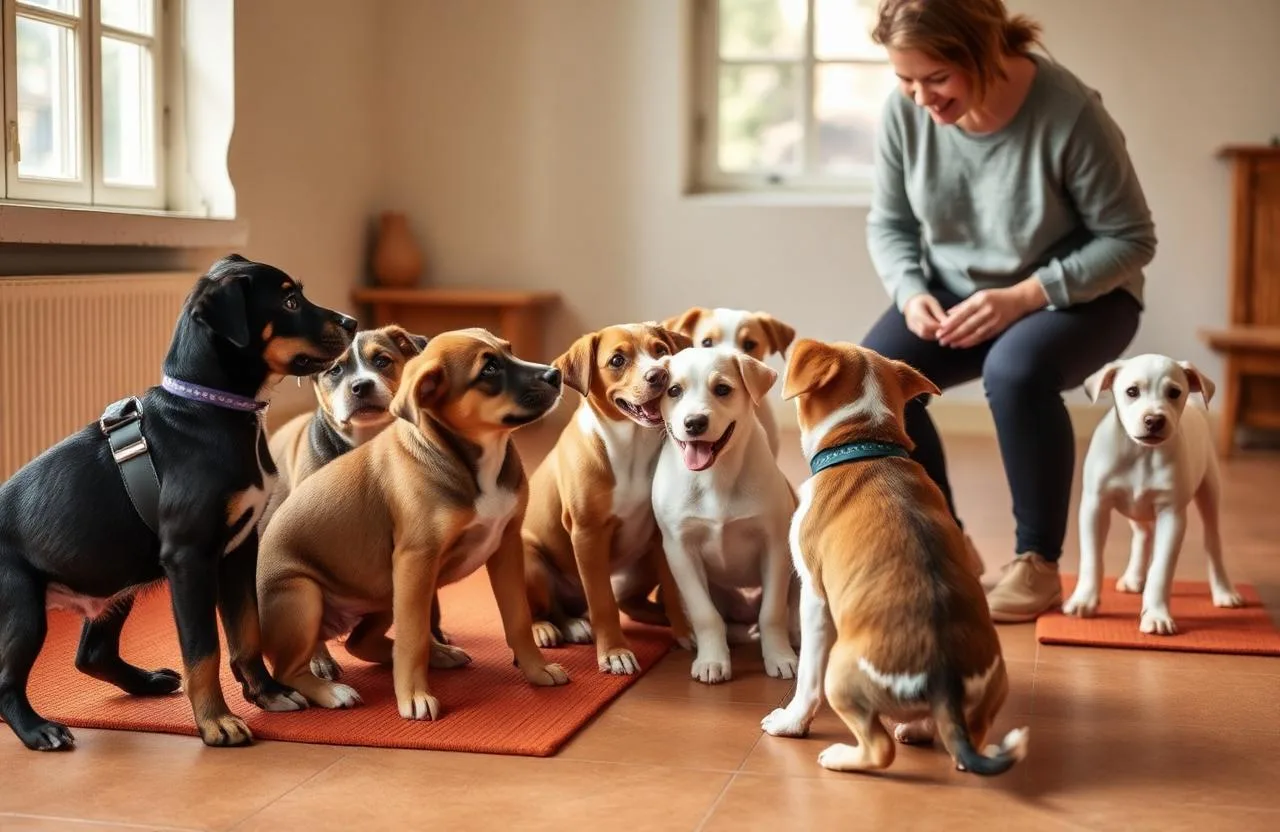
Every week a Bengaluru pet parent asks me, "Should I just sign my puppy up for the Sunday class at the park, or do you really need to come home?" The honest answer is, it depends on what you want your puppy to learn. Group classes and private training do very different things. Most puppies thrive when you combine them. Here's the breakdown.
What puppy kindergarten is actually good for. A well-run puppy kindergarten class is gold for one specific thing: structured, controlled exposure to other puppies, new people, novel surfaces, sounds and handling. Between 8 and 16 weeks is the critical socialisation window. Puppies who experience varied, positive, low-pressure exposure during this period grow into confident adults. Group classes done right are one of the best places for this.
What puppy kindergarten is bad at. Group classes cannot teach your specific puppy the specific things your home requires. They cannot help your puppy learn to settle while you work from home. They cannot fix lift behaviour, doorbell reactivity, biting on the sofa, or potty accidents on your specific tile. They cannot give you 60 minutes of focused attention on your puppy's stress signals. The trainer has 6 to 10 puppies to manage at once.
What private training does best. Private training, especially in your home, fixes the things that show up in your home. It also moves much faster on foundation cues because the puppy isn't competing with 7 other puppies for attention. In an in-home session, your puppy gets 60 minutes of pure problem-solving on what's actually going wrong (or what you want to build). The trainer also coaches you, the human, which is half the work.
What private training is weak at. Private training in your living room cannot replicate "random off-leash puppy from the next building runs at me" energy. It cannot give your puppy the experience of being calm around 7 other excited puppies. Even the most committed in-home program needs supplemental social exposure for a complete puppy.
The hybrid approach I recommend. For most Bengaluru puppies between 8 and 16 weeks: weekly in-home private foundation training (4 to 6 weeks), plus 1 weekly puppy kindergarten class once your vet clears the second round of vaccines, plus 2 to 3 weekly socialisation outings to varied environments (parks, building lobbies, calm streets, lift rides). That's the recipe that produces calm, confident, socially fluent adult dogs.
Group class vs private training vs hybrid
What each format does best for puppies in Bengaluru
Group class only
- Best for: confident social puppies
- Wins: dog-dog skills, novel exposure
- Misses: home-specific issues, bond
Private only
- Best for: shy or reactive puppies
- Wins: focus, customisation, bond
- Misses: peer-to-peer social fluency
Hybrid (recommended)
- Best for: most Bengaluru puppies
- Wins: foundation + social + flexibility
- Cost: highest, but highest ROI
When private only is the right call. Shy puppies, puppies who freeze or hide, puppies who growl or snap at other puppies, puppies recovering from a bad early experience, and any puppy where the home environment has specific challenges (multi-pet household, very young children, severe doorbell reactivity in the building). For these puppies, group class can actually do more harm than good. I need to build their world up slowly, on their schedule.
When group class only might work. Honestly? Almost never for puppies. Group class alone usually leaves you with a puppy who can sit in a quiet field but cannot focus at home. Group works as a supplement, not a foundation. The exception is if you've already trained 2 dogs successfully yourself and just want the social piece for puppy number 3. Even then, most experienced pet parents I know still book a few private sessions for the new puppy.
A real example from Koramangala. Pet parent of Biscuit, a Beagle puppy at 10 weeks, signed up for a popular weekend group class first. Biscuit got bullied by a larger Lab pup and developed dog-dog reactivity by week 3. They called me. I pulled Biscuit out of group, did 6 weeks of in-home foundation and confidence building, and only restarted social exposure with carefully selected puppies. Biscuit is now 14 months old and a happy, social dog. If I'd kept her in group class, the story ends differently.
What to look for in a Bengaluru puppy kindergarten. Class size capped at 6 to 8 puppies. Puppies separated by size or play style. Trainers actively interrupting rough play, not just letting it happen. Off-leash exploration time, not just rigid drills. Treats and toys allowed. No prong, choke, e-collars on any puppy. Class held in a clean, vaccinated-only environment.
If you're a first-time puppy parent anywhere in Bengaluru, especially in Koramangala 1st to 8th Block, a structured in-home start is honestly the highest-leverage thing you can do in your puppy's first 12 weeks. My Puppy Foundation Program is built around exactly this hybrid model: in-home foundation work with structured guidance on socialisation outings.
Final word. Don't pick group versus private as if it's an either-or. Pick the combination that gives your specific puppy a calm, confident, well-socialised foundation. Your future adult dog will thank you for the next 12 to 15 years.

About the Author
Govind
K9 Coach · 4+ years with dogs · Bengaluru
Founder of Paws of Persistence. Certified, reward-based dog trainer specialising in puppy training, Indie dogs and behaviour work across Bengaluru.
More about Govind →