Training in a Multi-Dog Household: How to Keep Peace, Order and Sanity in a Bengaluru Flat
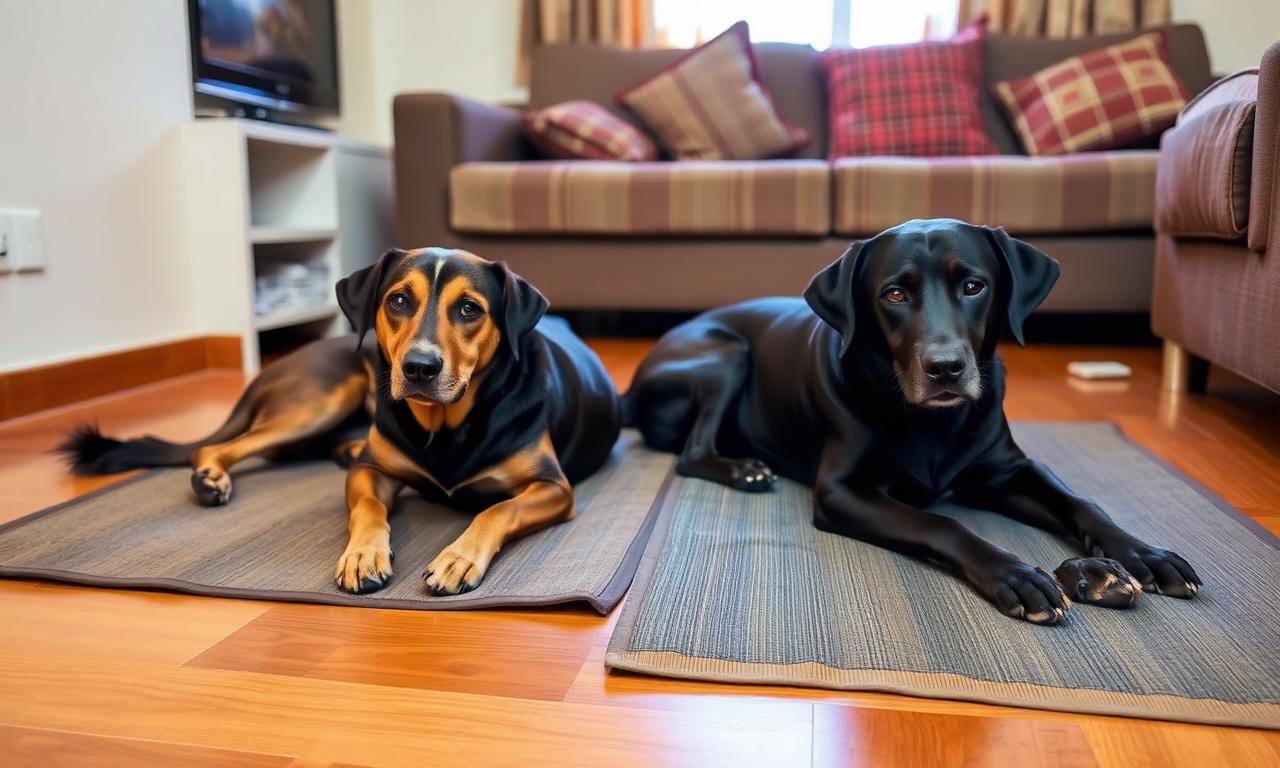
More and more Bengaluru families are choosing to live with two or three dogs. Two Indies. A Lab and a Beagle. A Golden and a rescue puppy. The dynamic can be magical, or it can be chaos. After a decade of multi-dog cases, I can tell you the difference is almost always how the family trains them, not the dogs themselves.
The biggest myth, dogs train each other. Half-true. Older dogs do model behaviour for younger ones, but they model both good and bad equally. If the older dog pulls on leash, the puppy will too. If the older dog barks at the doorbell, the puppy will join in. "He'll learn from the older dog" usually means "he'll learn the older dog's worst habits faster than his best ones." Train each dog individually first.
The cardinal rule, train each dog alone before training them together. Every cue, every behaviour, every routine should be solid with each dog one-on-one before you ever try it as a group. If you can't get a clean sit-stay from each dog alone, you have zero chance of getting it from both together. Multi-dog training is single-dog training, multiplied.
From chaos to calm in a multi-dog home
Sequence the work, don't lump it together
- 1
Week 1 to 2
Train each dog individually at home, one cue at a time
- 2
Week 3 to 4
Solo walks for each dog, build calm leash skills alone
- 3
Week 5 to 6
Parallel walks with two handlers, gradually close distance
- 4
Week 7 onwards
Group cues, group settle, group walks with clear rules
Real story, pet parent of Mira and Loki, two Indies in HSR Layout. The family adopted Mira at 8 weeks. Six months later they brought home Loki, also 8 weeks. By month 4 the household was chaos, fights at the food bowl, screaming greetings at the door, both dogs pulling in opposite directions on a single walk. I did exactly one thing: separated everything. Separate feeding rooms. Separate training sessions. Separate solo walks 3 times a week. Group walks only twice a week, with two handlers. Within 6 weeks the fights stopped, both dogs learnt loose leash, and they finally enjoyed each other's company.
Resource guarding in multi-dog homes. The most common multi-dog issue I see. One dog stiffens over food, toys, beds, or human attention. The fix: separate everything that matters. Feed in different rooms or different corners with line of sight blocked. Pick up high-value chews when they're done. Give each dog their own bed. Never let one dog "steal" from another, intervene calmly. Most resource guarding fades in weeks once competition is removed.
Walking two dogs together. Not until each can walk calmly alone. Then introduce them on parallel walks (one handler each, walking 5 metres apart, gradually closing distance over a week). Then graduate to a double-handler walk with two leashes, two pouches, two clear sets of cues. Avoid bungee couplers and double-leash setups in early stages, they amplify each dog's reactivity into the other.
Feeding strategy. Always separate. Always at the same time. Always with the same volume of attention. Never let one finish first and approach the other's bowl. I use baby gates, separate rooms, or even crates for meals. This single change resolves 60 percent of multi-dog tension I see in Bengaluru homes.
Greeting and arousal management. Two dogs at the door is double the arousal. Train each dog to settle on a mat individually first. Then practise both on mats together while you open the door. Door work is the highest-arousal moment in most homes, get it right and the rest of the day is easier.
Solo time matters. Each dog needs alone time with you, every week. Solo walks. Solo training. Solo cuddles. This builds individual bonds, prevents over-attachment to the other dog, and reduces sibling-rivalry behaviours. I recommend 2 to 3 solo sessions per dog per week, even just 15 minutes each.
When fights happen. Real fights are loud, fast, and scary. Never stick your hand in. Use a loud noise (clap, can of pebbles), spray water, or throw a blanket over both dogs to interrupt. Separate them, give each space and time to calm down, then have a vet rule out pain (a sudden onset of fights between long-time housemates is often medical). Then call a behaviour-experienced trainer, multi-dog conflict needs a real plan.
Adding a second dog the right way. Slow introductions on neutral ground (a quiet park, not your living room). Parallel walks before nose-to-nose. Separate spaces for the first 2 weeks. Don't expect instant friendship, expect slow tolerance, then comfort, then bond, over weeks. The same principles that govern puppy socialisation apply to dog-dog introductions.
How I structure multi-dog work. I never train two dogs together in session one. I assess each dog individually, build solo skills with each, and only combine them in week 4 or 5 when each foundation is solid. Most of my multi-dog families across Indiranagar, Koramangala, Whitefield and beyond are surprised by how quickly the household calms once I stop trying to train the group.
Final word. A peaceful multi-dog home is not a happy accident. It's the result of patient, individual training, clear household structure, and respect for each dog as a separate animal with separate needs. Get that right and you'll have one of the most rewarding setups in dog ownership.

About the Author
Govind
K9 Coach · 4+ years with dogs · Bengaluru
Founder of Paws of Persistence. Certified, reward-based dog trainer specialising in puppy training, Indie dogs and behaviour work across Bengaluru.
More about Govind →