How to Stop Your Dog Pulling on the Leash: A Step-by-Step Guide
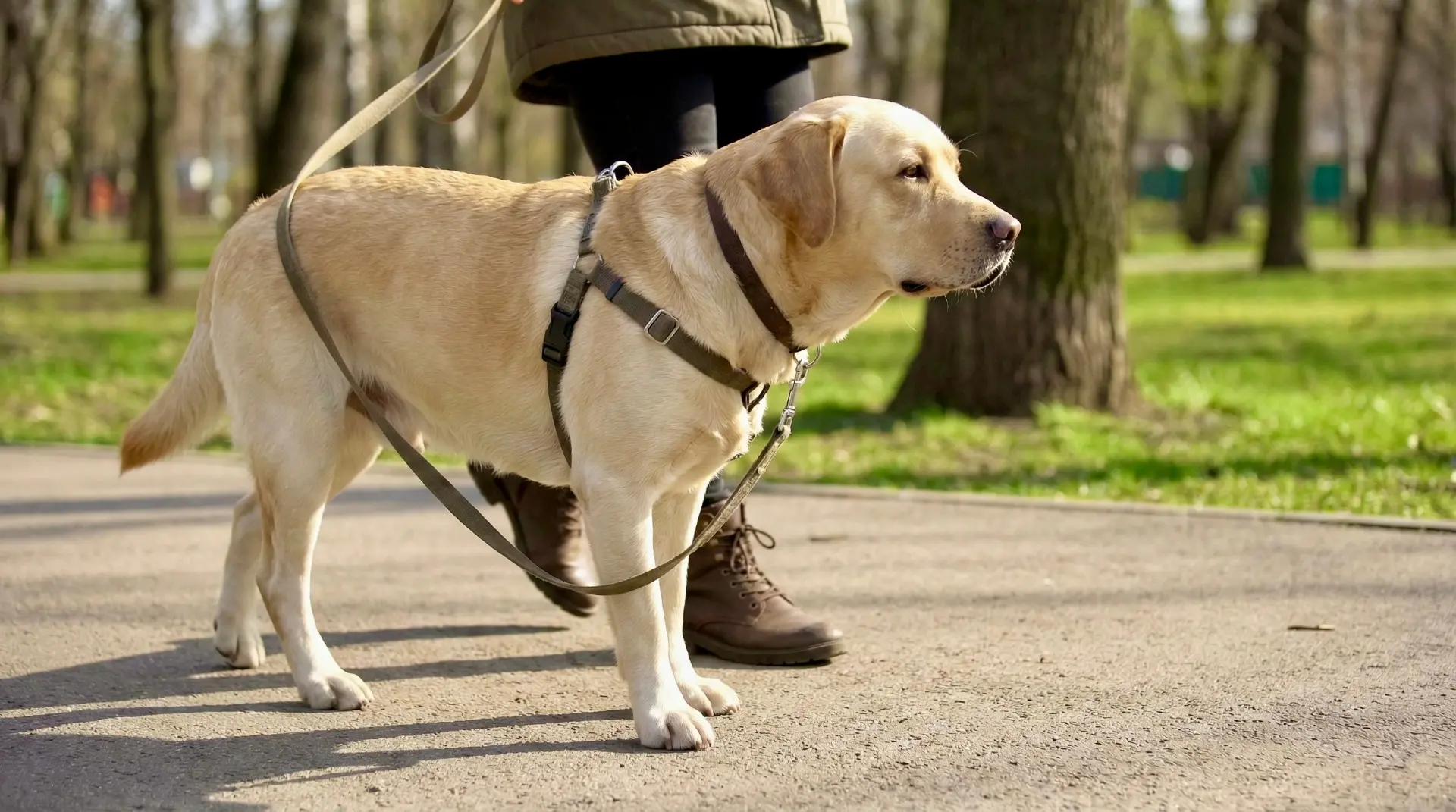
Leash pulling is one of the most common dog behaviour problems and one of the most frustrating. Whether you have a new puppy or an adult dog who's been dragging you down the street for years, loose leash walking is a skill that can be taught at any age with patience and consistency.
Why Dogs Pull on the Leash: dogs pull because it works. When they lunge forward and you follow, they learn that pulling gets them where they want to go. Dogs are also naturally faster walkers than humans, and the outside world is full of exciting smells, sights, and sounds that compete for their attention. Understanding this is the first step to fixing the problem.
Equipment Matters: start with the right gear. A front-clip harness is one of the best tools for leash training because it redirects your dog's momentum back toward you when they pull. Avoid retractable leashes during training, they teach dogs that pulling extends the leash, which is the opposite of what you want. A standard 1.5 to 2-metre leash gives you the best control.
The 5 step loose leash method
Most dogs improve clearly within 2 to 3 weeks of daily practice
- 1
Right gear
Front-clip harness and a 1.5 to 2 m standard leash
- 2
Stop and wait
Stand still the moment the leash tightens
- 3
Change direction
Calmly turn the other way if pulling continues
- 4
Reward check-ins
Mark every glance back or step beside you
- 5
Build duration
Add distance and distractions over 2 to 3 weeks
The Stop-and-Wait Method is the simplest technique for loose leash walking. When your dog pulls, stop completely. Don't yank the leash, just stand still like a tree. Wait for your dog to look back at you or for the leash to go slack. The moment there's slack, mark it with a 'yes' and continue walking. Your dog will quickly learn that pulling makes the walk stop, while walking nicely keeps things moving.
The Direction Change Technique: when your dog starts pulling, calmly turn and walk in the opposite direction. Don't jerk the leash, simply change course. This teaches your dog to pay attention to where you're going rather than charging ahead. Reward them every time they check in with you or walk by your side.
Remember, building duration is really important: don't expect 30-minute perfect walks from the start. Begin in a low-distraction environment like your garden or a quiet street. Practise for 5-10 minutes at a time and gradually increase duration and distractions. Short, successful sessions are far more effective than long, frustrating ones.
Common Mistakes to Avoid: don't punish your dog for pulling by jerking the leash or using choke chains. These methods cause pain, damage trust, and can injure your dog's neck and trachea. Also, don't let some family members allow pulling while others don't, consistency across all handlers is crucial for success.
Leash walking is a partnership. With daily practice, high-value rewards, and patience, your dog will learn that staying by your side is the most rewarding place to be. Most dogs show significant improvement within 2-3 weeks of consistent training.

About the Author
Govind
K9 Coach · 4+ years with dogs · Bengaluru
Founder of Paws of Persistence. Certified, reward-based dog trainer specialising in puppy training, Indie dogs and behaviour work across Bengaluru.
More about Govind →