House Training a Puppy in a Bengaluru Apartment: The Honest 4-Week Plan
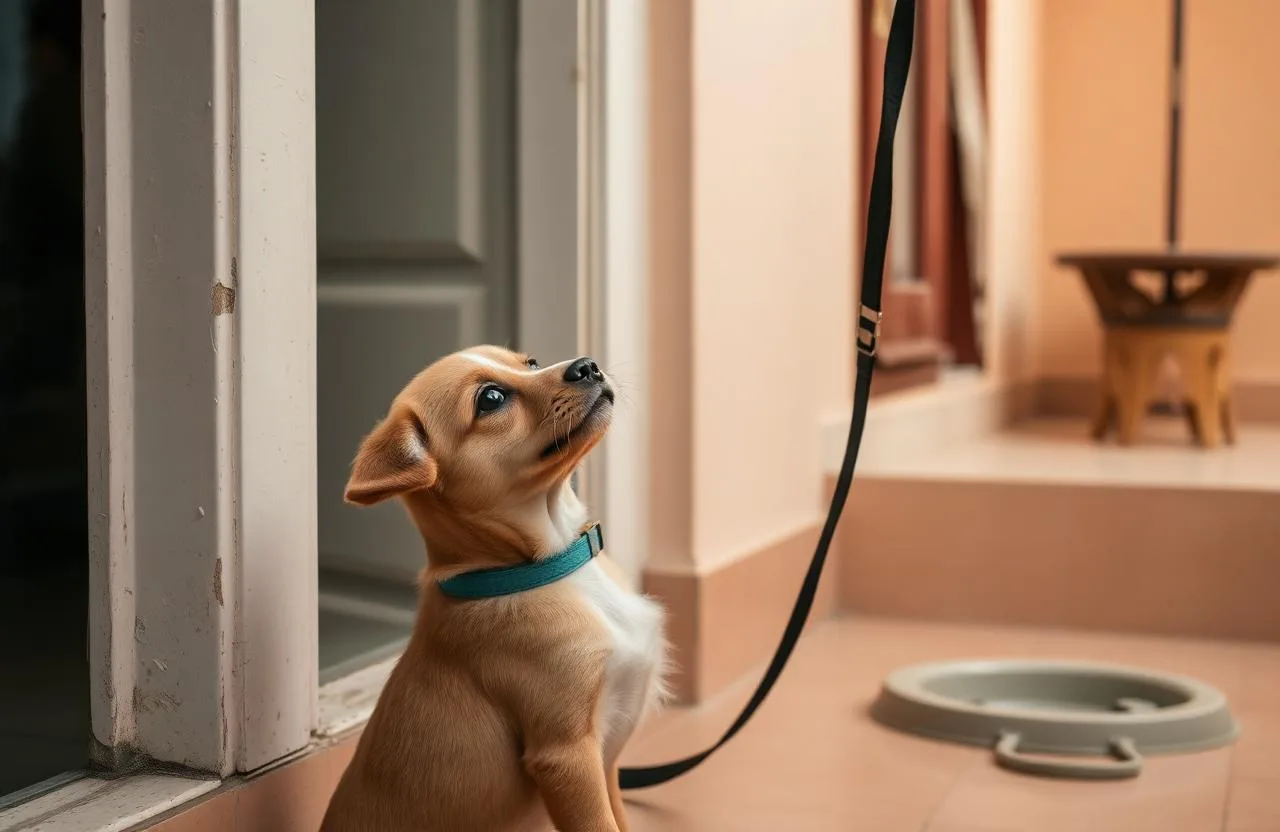
House training in a Bengaluru apartment is harder than house training in a house with a garden, but it's not complicated. It's mostly a logistics problem, not a training problem. After working with hundreds of apartment puppies across HSR, Indiranagar, JP Nagar and Banashankari, I can confidently say: 90 percent of accidents are timing failures, not the puppy's fault.
Why apartments make this harder. You're 10 to 15 floors up. The lift takes 2 minutes. Your puppy can hold it for 3 to 4 minutes maximum at 8 weeks of age. Do the math, you will have accidents in the lift in week 1. That's not failure, that's physics. Plan for it. Carry the puppy to the lift, take a small towel and a bag, and accept that perfect house training in an apartment takes a few weeks longer than the books promise.
The 4-week plan, week by week. Week 1: schedule, supervise, reward. Take out every 1 to 2 hours during the day, immediately after meals, naps and play. Use the same outdoor spot every time. Reward within 3 seconds of finishing. Expect 4 to 8 accidents a day, that's normal. Week 2: stretch the gaps to 2 to 3 hours, start identifying the puppy's pre-pee signals (sniffing, circling, suddenly leaving the room). Week 3: down to 3 to 5 accidents a week, only if you've been consistent. Week 4: mostly clean, with occasional accidents during weather changes or schedule disruptions.
House training: realistic 4-week timeline
What progress looks like in a Bengaluru apartment puppy
- 1
Week 1
4 to 8 accidents a day, strict 1 to 2 hour schedule
- 2
Week 2
Pre-pee signals visible, 2 to 4 accidents a day
- 3
Week 3
3 to 5 accidents a week, longer hold times
- 4
Week 4
Mostly clean, signalling at the door, occasional slip-ups
Should you use pee pads or a balcony patch? Short answer: use them only as a temporary backup, not a permanent solution. Pee pads teach the puppy that it's okay to potty indoors. You'll then have to retrain them to only go outside, which doubles your work. The exception: if you live on the 14th floor and physically cannot get the puppy down in time, a balcony grass patch as the designated indoor spot is the lesser evil. Pick one approach and stick with it.
The crate is your secret weapon. Puppies don't soil their sleeping space. A correctly sized crate (just big enough to stand, turn and lie down) becomes the safest place in your house and dramatically speeds up bladder control. I cover this in detail in my complete crate training guide, for apartment puppies it is genuinely the most useful tool you'll buy.
Real story, pet parent of Coco, a 9-week-old Cocker Spaniel in a 12th floor flat in Sarjapur. Week 1, the family was demoralised: 8 accidents a day, lift accidents, even a pee on the sofa. I changed three things: strict schedule (every 90 minutes), crate during unsupervised times, and the family stopped using pee pads. By day 10, accidents dropped to 2 a day. By week 3, almost zero. By week 5, Coco was telling them at the door. No magic, just consistency.
Bengaluru-specific challenges. Monsoon: puppies don't want to go out in rain. Solution: carry an umbrella, suit them up, and reward extra heavily for going in the rain. Don't take them back inside until they pee outside, otherwise you accidentally teach them that holding it leads to going home dry. Heat in April-May: take them out very early morning and after sunset, midday tar burns paws. Festivals and crackers: noise can disrupt the routine for several days, expect setbacks around Diwali and Ganesha Chaturthi.
What to do when accidents happen. Do not rub the puppy's nose in it, do not shout, do not punish after the fact. The puppy will not connect the punishment with the act, they'll just learn that you are unpredictable and scary. What to do: interrupt mid-act with a calm "oops", carry them outside immediately, reward heavily if they finish outside. Then clean the indoor spot with enzymatic cleaner (regular Lizol does not remove the urine marker, the puppy will return to the same spot).
Common Bengaluru parent mistakes. Free-roaming a 10 week old puppy across the entire apartment. Using newspaper or pee pads casually. Punishing accidents. Skipping the post-meal walk because "he's tired." Switching food brands and being surprised by loose stools. And the biggest one: thinking the puppy is being naughty when they're actually just under-supervised.
Signs your puppy is about to go. Sudden sniffing of the floor. Circling. Squatting partial start. Leaving the room you're in. Returning to a spot they peed before. The instant you see any of these signs, scoop them up, no scolding, and head straight to the designated spot. Catching the timing is the entire skill.
When to call for help. If you're past week 5 with consistent effort and still seeing daily accidents, three things to rule out: a urinary tract infection (vet visit), a marking issue (especially in unneutered males over 6 months), or anxiety-related elimination. My in-home puppy training program includes house training as a foundational skill, and I often spot the missing piece in the first session. I also work on broader puppy foundation skills alongside house training so the whole picture comes together.
Night-time and overnight. An 8 to 10 week puppy needs 1 or 2 night-time toilet trips. Set a soft alarm. From 12 weeks, most puppies can hold through the night (6 to 7 hours). Crate the puppy near your bed for the first month, you'll hear the wake-up signals and respond fast.
Final word. House training is a 4-week sprint, not a 6-month grind, if you commit to schedule and supervision. Skip those two and you'll still be cleaning at month 6. The puppy is doing exactly what their body and brain are wired to do, the job is to give them enough opportunities to succeed. Set them up to win.

About the Author
Govind
K9 Coach · 4+ years with dogs · Bengaluru
Founder of Paws of Persistence. Certified, reward-based dog trainer specialising in puppy training, Indie dogs and behaviour work across Bengaluru.
More about Govind →